Office Clearance in Kings Cross for planned removals and tidy handovers

Office Clearance Kings Cross provides a practical office clearance in Kings Cross for businesses that need desks, seating, filing, IT hardware and general workplace items removed in a tidy, organised way. The service is suited to whole-floor clearances, partial removals, storage room clear-outs and end-of-lease preparation, with work arranged around the items on site rather than a one-size-fits-all approach. If you need space opened up for refurbishment, relocation or a building handover, our service is designed to keep the process clear and manageable.
We handle a wide range of workplace items, from everyday office furniture to mixed contents that may include cabinets, shelving, archive boxes, reception furniture and non-sensitive loose materials. Where needed, we can separate different item types so that suitable objects are directed toward reuse, recycling or disposal in line with the job requirements. For larger clearances, the work can be planned in stages to suit access, lift use and timing within the building.
For a straightforward start, gather a brief list of what needs to go and choose the most convenient way to request a quotation. If you already know the main categories of items, that helps the planning conversation; if not, a short description is enough to begin. Clear instructions, access details and any timing limits all help the clearance run more smoothly from the outset.
Office items, furniture and workstation clearance
Our office clearance service covers the removal of typical workplace furnishings and contents, including desks, meeting tables, chairs, pedestals, filing units, cupboards and modular storage. It is useful when a business is changing layout, reducing occupancy or emptying a room that has become difficult to use efficiently. Rather than treating every site in the same way, the removal plan is built around the mix of items present and the practical access available on the day.
In many offices, the challenge is not only the volume of items, but also their shape, weight and position in the building. Heavy cabinets, awkward reception counters and disassembled workstations may need to be handled separately from lighter items. We can also remove mixed small contents where they are part of a broader clearance, helping to keep the overall job more orderly and reducing the risk of items being left behind.
How this type of clearance is usually planned
A useful plan begins with deciding what should be removed, what should stay and whether any items need to be separated before collection. This is particularly helpful where a workspace contains reusable furniture, older equipment and general waste together. If there are items that must remain in place, identifying them early helps avoid delays and keeps the clearance focused on the correct areas.
Business waste removal for ongoing workplace changes

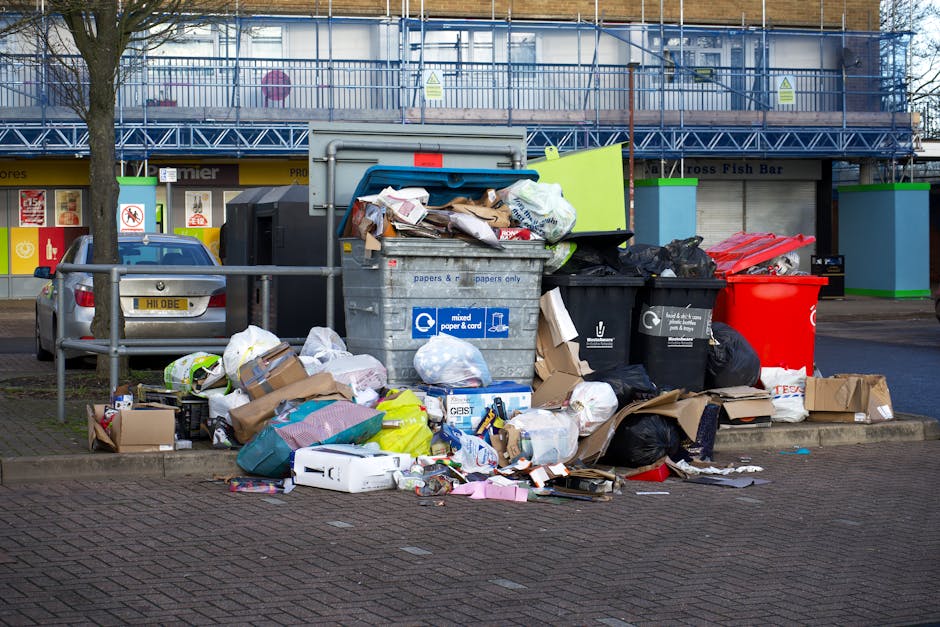
Many customers need more than a one-off clearance. Our business waste removal support is useful where offices, studios or shared workplaces build up recurring unwanted items that need to be removed in a controlled way. This can include packaging, broken furniture, redundant fixtures and day-to-day surplus items that have accumulated after fit-outs or reorganisations. The emphasis is on keeping the process practical and suited to the site.
Where a business is preparing for an internal move or a phased refurbishment, ongoing removal can help maintain access and reduce clutter between stages. That may mean taking away items from one zone while another remains in use, or clearing ancillary rooms such as stores, copy areas and back offices before the main workspace is tackled. A planned approach is often more suitable than leaving all the work until the last minute.
When arranging a quotation, it is helpful to note whether items are spread across a single room or several floors, and whether there are building rules that affect timing or loading. These details do not need to be exhaustive. A short, accurate description of the job is usually enough to shape the next step. If the clearance forms part of a wider business move, mention the deadline so the schedule can be matched more sensibly.
Furniture disposal and reuse-led sorting
Some clearances involve furniture that is still serviceable, alongside items that are worn, damaged or no longer appropriate for the space. Our furniture disposal page covers the removal of individual pieces or grouped items when a workplace wants to clear them safely and without creating extra handling problems. The service is particularly relevant for offices with mixed condition stock, where the question is not just removal, but what can be separated sensibly.
We can also remove items that are being replaced in stages, which is common during office reconfiguration. Chairs, tables, pedestal units, screens and storage pieces may come out at different times depending on procurement and installation schedules. A structured removal arrangement helps avoid stacking, blocking walkways or leaving redundant items in circulation for longer than necessary.
Where reuse or recycling is appropriate, sorting at source can support a cleaner outcome. That does not mean every item can be reused, but it does mean the clearance can be approached with more care than a simple empty-and-tip job. The key is to keep the process practical, lawful and suited to the condition of the furniture being removed.
Office clearance options for different room types
Offices are rarely limited to desks and chairs. A full workplace may include meeting rooms, reception areas, kitchen spaces, storage cupboards and archive zones, all of which may need different treatment during a clearance. Our service can be shaped around these room types so that the work is carried out in a sensible order and the most cumbersome items are not left until the end without a plan.
Reception areas often contain larger furniture pieces and display items, while back-office zones may hold filing units, paperwork, monitors and mixed equipment. Kitchen or break areas can involve smaller appliances and loose contents that require separation from furniture. By dealing with each zone according to what is actually there, the clearance becomes easier to manage and less disruptive to the building’s routine.
- Desks, chairs and workstations from open-plan spaces
- Storage furniture from filing and archive rooms
- Reception and meeting-room furniture
- Mixed items from ancillary office areas
House, flat and loft clearance support when workplaces include mixed premises
Some commercial premises include residential-style rooms, converted upper floors or storage areas that behave more like a home clearance than a standard office job. In those cases, a linked service such as house clearance may be relevant where the contents are mixed and the layout is domestic in feel, while flat clearance can suit compact upper-level spaces with tight access. The right approach depends on the type of rooms and the items actually present.
For properties with roof spaces, tucked-away storage or overlooked filing rooms, loft clearance may be useful where items are difficult to reach and need careful handling. These services are not a substitute for office removal, but they can help when a premises includes unusual storage areas that need clearing alongside the main workplace. Matching the right page to the right type of room keeps the scope clearer for everyone involved.
When a building contains both commercial and domestic-style spaces, it is often sensible to describe each area separately in the enquiry. That makes it easier to identify access points, item types and any limitations before work starts. The result is a more accurate assessment of the task and a smoother clearance plan overall.
Pricing factors and quotation details

Clearance costs are typically shaped by the amount and type of material to be removed, the ease of access, the time required and any special handling needed for bulky pieces. An office with simple ground-floor access and standard furniture will usually be easier to price than a multi-room job involving stairs, lifts, restricted loading or separated item groups. The more clearly the job is described, the more useful the quotation can be.
Two details are especially helpful: what needs removing and where it is located. If the items are spread across several rooms, floors or cupboards, noting that in advance gives a more accurate picture of the work involved. You do not need to prepare an exhaustive inventory for a first conversation, but a simple outline of the main pieces and any access issues is very useful. Photographs can help when the clearance includes mixed contents or awkward furniture.
If your job is linked to a move, fit-out or lease end, mention any timing constraints so the removal plan can be aligned with them. You can review pricing and quotes for a better sense of how enquiries are handled, then choose the point at which you want to submit the details for assessment.
About Kings Cross
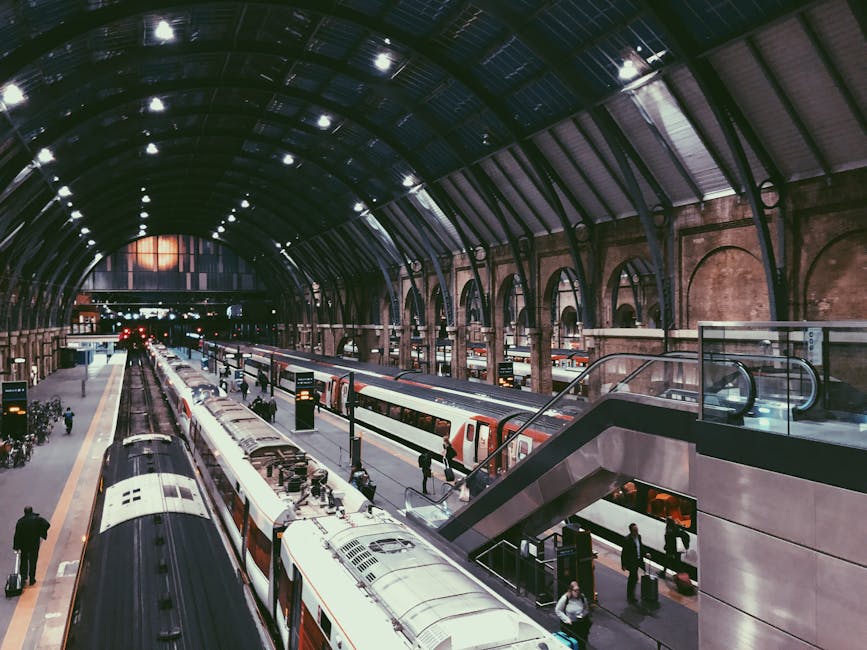
Kings Cross is an inner London district in the London Borough of Camden, historically known for its transport links and later shaped by large-scale redevelopment around the station area. The neighbourhood takes its name from the former King’s Cross monument that once stood at the junction of present-day Gray’s Inn Road and Pentonville Road. Today, the area sits close to St Pancras, Bloomsbury and Islington, making it a busy point of connection between central London districts. The arrival of the railways in the 19th century transformed the locality, and the modern station complex remains one of the most recognisable pieces of infrastructure in the capital. Nearby streets mix older terraces and Victorian buildings with contemporary offices, cultural venues and residential schemes, reflecting the area’s gradual shift from industrial and railway-led uses toward a broader urban quarter. Granary Square, with its steps, fountains and waterside setting, has become a prominent public space, while the Regent’s Canal runs through the district and links it to the wider London canal network. The area also includes educational and cultural institutions associated with the redevelopment around King’s Cross Central, and the mix of transport, design-led architecture and public realm gives the neighbourhood a distinctive character within Camden. Although widely associated with travel, Kings Cross also has a strong pedestrian environment around the station approaches, where squares, passages and newly created streets connect older city fabric with modern development.
Office clearance for archives, storage and mixed contents
Not every office clearance is dominated by furniture. Many jobs involve archive shelves, boxed paperwork, redundant display items, small electrical equipment and mixed storage contents that have built up over time. These jobs benefit from an orderly approach because the contents may be varied, packed tightly or arranged in rooms that have not been used regularly. A careful clearance helps reduce confusion and avoids treating every item as though it were identical.
Archive and storage spaces often contain layers of old material, so the work may need to proceed in a sequence rather than all at once. One common approach is to identify the room, then separate loose materials from larger furniture, and finally remove the remaining fixed or bulky items. That method can make the job easier to control and can also help when some items are being retained while others are going. Office clearance can therefore cover much more than ordinary desks and chairs.
If an office includes boxes, shelving and stored equipment, it is worth stating whether the contents are to be removed together or broken into categories. This helps the removal team understand whether the job is mainly a furniture clearance, a storage emptying task or a broader workplace tidy-up. Even a short explanation of the room use can make the quotation stage more precise.
Home, garage and garden clearances for mixed-property projects
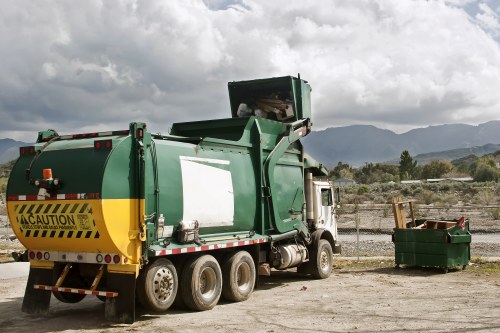
Where an office move is paired with other property work, it can be useful to know that related removal services exist for different parts of a building or estate. Home clearance may suit domestic rooms that are being emptied alongside an office conversion, while garage clearance can help with outbuildings, stores and overflow areas that have collected surplus items over time. These options are distinct from office work, but they can be relevant in a mixed-use setting.
Outdoor or semi-outdoor spaces may also require separate handling. For example, garden clearance is geared toward green waste and exterior contents, which is different from an internal workplace removal. If a premises includes both internal office areas and external storage or yard space, separating the tasks helps make the scope clearer and avoids overcomplicating the main office arrangement.
When several parts of a property need attention, it is sensible to identify the most urgent area first and then decide whether the remaining zones should be handled in the same visit or as a follow-on job. That keeps the process orderly and avoids mixing unrelated tasks. Send the main details together, then note any extra rooms or outdoor areas that may need their own consideration.
Recycling, disposal and responsible handling
Office clearances often involve a mixture of furniture, reusable materials and items that need ordinary disposal. Our approach can include separating suitable materials from general waste so that the job is handled in a more orderly way. That may be especially useful where a workplace has repeated clear-outs, since the same room can contain different item types from one phase to the next. The aim is to keep the process practical rather than overcomplicated.
For customers who want to understand how recovered materials are treated, our recycling and sustainability page gives a better picture of the principles behind responsible handling. Not every item will have the same destination, and it is better to base the approach on what the contents actually are rather than making blanket assumptions. Where items are unsuitable for reuse, they can still be directed toward the appropriate disposal route.
If you are preparing a quotation request, a short list of the larger items and a note of any special concerns is usually enough to begin. There is no need to overprepare, but a little structure at the start can save back-and-forth later. A clear scope, a practical timing window and accurate access details are often the most useful pieces of information.
Contact us about your Kings Cross office clearance
If you need office clearance in Kings Cross, we can help with desks, chairs, storage furniture, archives and mixed workplace contents in a way that suits the layout of your premises. The service is arranged around the task in front of us, whether that means a single room, several floors or a phased clearance alongside refurbishment or relocation. For a quicker first step, note the items involved and the access available, then send the details for review.
For businesses comparing options, it can be helpful to look at the range of related service pages and decide which parts of the property need separate attention before booking anything in. If you are dealing with furniture only, a focused removal may be enough; if the job includes offices, storage rooms and ancillary areas, the scope can be described more fully. Contact us to request a quotation when you are ready to outline the job.
Whether the clearance is straightforward or more mixed, the best next step is to give a concise description of what needs removing and when the space needs to be clear. Ask for a quotation today and use a plain explanation of the items, rooms and access so the response can be tailored to the work you actually need.