King's Cross rubbish removal prices 2026: small-load guide
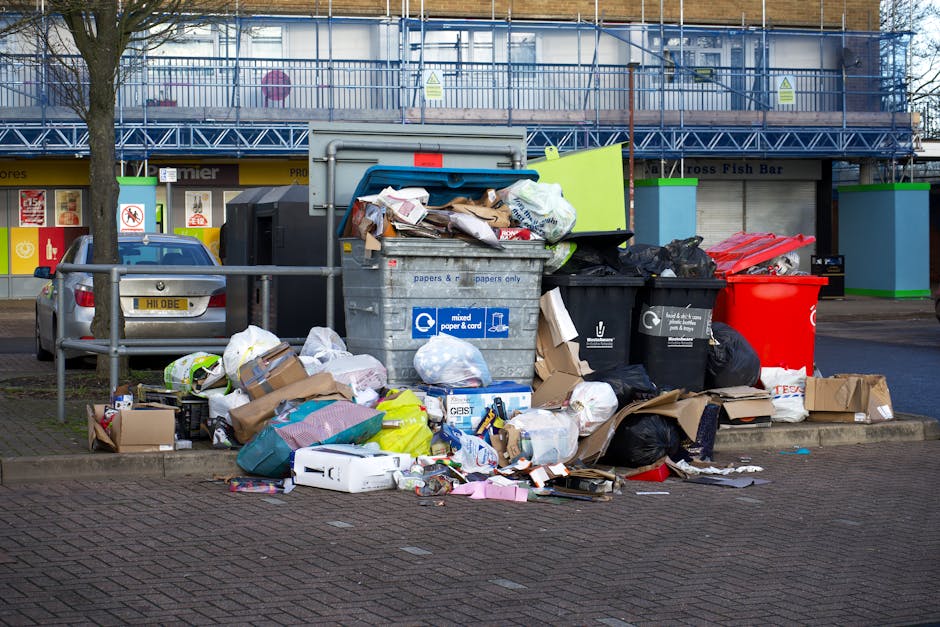
If you are trying to clear a few bulky items, a half-full flat, or the aftermath of a quick DIY job, the numbers can feel annoyingly vague. That is exactly why this King's Cross rubbish removal prices 2026: small-load guide exists. Small loads are where pricing questions get tricky: you want something fair, fast, and tidy, without paying for far more capacity than you actually need.
In King's Cross, the practical answer usually comes down to load size, access, labour, item type, and how quickly you need the job done. The good news? Once you understand the moving parts, pricing becomes much easier to judge. You will know when a small-load clearance makes sense, what should affect the quote, and how to avoid the classic overpaying trap. Let's keep it plain-English and useful.
Key takeaway: small-load rubbish removal is often best for a few bulky items, mixed household waste, or light clearance work where a full skip would be overkill. The cheapest quote is not always the best value; the right quote is the one that fits access, waste type, and collection speed properly.
Why King's Cross rubbish removal prices 2026: small-load guide Matters
Small-load pricing matters because most people do not need a full van, a full skip, or a one-size-fits-all service. They need a sensible collection for the actual amount sitting outside the front door, in the hallway, or at the bottom of the stairs. That sounds simple. It rarely is.
In a busy area like King's Cross, space is at a premium. Parking can be awkward, access can be tight, and timing matters because no one wants clutter sitting around for days. A small-load guide helps you judge whether a quoted price reflects the reality of the job, rather than a generic minimum charge that may include capacity you will never use.
It also helps if you are comparing related services. For example, a few chairs and a broken table might fit a furniture clearance route better than a broader household collection. A boxy pile of renovation offcuts could sit more naturally under builders waste clearance. A small office declutter may sit better alongside office clearance or business waste removal. The right category often saves money. Simple, but easy to miss.
People often search for prices because they are trying to decide between several routes: a skip, a man-and-van style collection, a donation/reuse approach, or an arranged clearance. Pricing clarity is the thing that lets you choose without second-guessing yourself. And to be fair, nobody enjoys ringing around five companies just to find out one small pile is somehow priced like a lorry load.
How King's Cross rubbish removal prices 2026: small-load guide Works
Most small-load rubbish removal quotes are built from a few core inputs. The exact formula varies from provider to provider, but the logic tends to be similar.
1. Volume or load size
The biggest factor is how much waste you actually have. Small loads are often measured by how much of a van is needed, or by a light/medium/full load framework. A few black bags may sit at the cheapest end, while a handful of bulky items can move the quote upwards quickly because they take more space than they look like at first glance.
2. Labour and handling
If the team can collect items from the kerb or ground floor with clear access, the price is usually more straightforward. If they need to carry items down several flights of stairs, around narrow hallways, or through a building with awkward access, labour time increases. A sofa on the first floor is not the same job as a sofa already waiting outside. It just isn't.
3. Waste type
General household rubbish, mixed junk, old furniture, green waste, and construction debris are all handled differently. Heavy or awkward items can cost more because they take more effort to move and sort. Waste that needs separate processing can also change the final number. If you want a better sense of the wider service categories, the page on waste removal is a useful starting point.
4. Access and vehicle positioning
In King's Cross, access can make or break a quote. If the van cannot park nearby, the crew may need extra time to shuttle items. If loading is easy, the job is quicker. That time difference matters. In practical terms, a tiny clearance from a basement flat can be more involved than a slightly bigger job from a ground-floor office with easy loading space.
5. Timing and convenience
Urgent same-day collections, early morning slots, or out-of-hours visits can sometimes cost more. If you can be flexible, you may find better value. If you are under pressure because the landlord is due, or the builders are arriving tomorrow morning, then convenience may matter more than shaving off a little from the price.
One thing worth saying: the word "small" is not always as small as it sounds. A single wardrobe, a mattress, a desk, and a few boxes can add up fast. People often underestimate volume by a mile. That's normal. You look at the items and think, "That's barely anything." Then the van fills in ten minutes and everyone starts laughing a bit nervously.
Key Benefits and Practical Advantages
When small-load pricing is done properly, it gives you clearer control over cost and timing. That matters more than people think.
- Better value for light clearances: You are not paying for a huge vehicle or excess capacity if you only have a handful of items.
- Less disruption: Small-load collections usually move quickly, which is ideal if you are clearing a flat, office corner, or storage area.
- More predictable budgeting: Once you understand the pricing drivers, you can compare quotes more confidently.
- Useful for awkward access: A smaller clearance can often be handled more easily in tight streets, shared entrances, or upper-floor properties.
- Reduces waste sitting around: A quick collection can stop clutter becoming a longer-term problem, especially where building works or tenancy changes are on a deadline.
There is also a softer benefit. It feels good to get a small job properly sorted. One afternoon, one collection, one clear hallway. That small sense of relief is real. If you have lived with a broken chest of drawers by the front door for two months, you know exactly what I mean.
For households, a focused load can pair well with flat clearance, house clearance, or home clearance depending on the setting. For garages, lofts, or garden piles, the fit may be better with garage clearance, loft clearance, or garden clearance.
Who This Is For and When It Makes Sense
Small-load rubbish removal is a good fit if you have a limited amount of waste but still want it collected properly, promptly, and without the hassle of doing it yourself.
Typical situations include:
- Clearing one room after a move
- Getting rid of one or two bulky furniture items
- Removing a few bags of mixed junk from a flat
- Clearing office clutter after a desk shuffle or refurbishment
- Disposing of leftover building materials from a small DIY project
- Tidying a garage, shed, or loft where the contents are light but bulky
It makes sense when the waste is too much for normal household bins, but not enough to justify larger-scale clearance. That middle zone is where small-load pricing is most useful.
It may be less suitable if your waste is highly specialised, very heavy, or large enough to justify a full clearance service. In those cases, a more tailored quote is often better. For example, a business premises with regular waste should look at business waste removal, while a workplace shutting down or reorganising may need more structured office clearance support.
If you are clearing furniture specifically, it may be worth checking the service route for furniture clearance or, where disposal is the key concern, furniture disposal. The point is not to overcomplicate things. The point is to match the job to the job.
Step-by-Step Guidance
If you want a sensible quote for a small load in King's Cross, follow a simple process. It will save time, and likely money too.
- List what needs removing. Write down each item, bag count, or rough pile size. Be specific: sofa, TV stand, six bags, two shelves, one mattress, and so on.
- Separate waste by type. Keep furniture, general rubbish, green waste, and DIY debris apart if you can. Mixed loads are fine, but clear grouping helps with accurate pricing.
- Check access honestly. Note stairs, lift access, parking limits, narrow hallways, or anything else that could slow the job.
- Measure the obvious bulky bits. If something is awkwardly large, jot down width, height, and depth. Even rough measurements help.
- Ask for the pricing method. Is the quote based on volume, item count, labour, or a combination? You should know what you are paying for.
- Request a written quote. It keeps expectations clear and avoids the classic "I thought that was included" moment.
- Confirm what happens on the day. Ask who loads, whether the team dismantles items, and what happens if the volume is slightly different from the estimate.
- Prepare the items if possible. Move small pieces together, keep pathways open, and make the collection point easy to reach.
If your job touches a building project, a small pile of plasterboard offcuts or broken tiles may be better described as builders waste clearance. Getting the category right is half the battle, honestly.
And if you are unsure, ask for a photo-based quote. It is not fancy. It is practical. A few pictures can remove most of the guesswork in one go.
Expert Tips for Better Results
Here is the part that usually separates a smooth clearance from a frustrating one.
- Be honest about access. Hidden stairs or difficult parking can change the job on arrival. Better to mention it early.
- Group items near the exit where safe. A neat pile can reduce loading time, which often helps with the quote.
- Don't inflate the load "just in case". Overestimating can push you into a higher bracket for no reason.
- Do not understate bulky waste. One large armchair may be more expensive than a dozen bin bags. Strange, but true.
- Ask what is included. Labour, loading, disposal, and any minimum call-out all matter.
- Check if dismantling is included. A bed frame, wardrobe, or office desk may need disassembly before removal.
A small but important tip: if you have a few valuable items mixed with rubbish, separate them before the crew arrives. In the rush of a clearance, useful things can disappear into the wrong pile. Nobody wants that. Especially not on a damp Tuesday morning when the kettle is already boiling in the background.
For sustainability-minded readers, it can also help to ask how the waste is sorted and processed. The company's approach to reuse and recycling may be worth checking via its recycling and sustainability information. That gives you a clearer sense of what happens after collection, not just at the front door.
Common Mistakes to Avoid
Most price problems come from avoidable misunderstandings. Nothing dramatic, just everyday stuff that adds up.
- Comparing quotes without checking what is included. A cheap quote can become expensive once labour or extra loading is added.
- Guessing the load size too loosely. "About a van load" is less useful than "three chairs, a mattress, and eight bags".
- Forgetting access issues. Parking restrictions and stairs are not minor details; they affect time and cost.
- Mixing different waste types without warning. Builders waste, furniture, and general junk may be priced differently.
- Leaving the job until the last minute. Urgent bookings can reduce your flexibility.
- Assuming every provider prices the same way. They do not. Not even close.
One more thing: do not forget to check the provider's terms if you are booking a clearance that includes payment details, cancellation windows, or on-site adjustments. The wording matters more than people expect. If you want to read through the company's policy pages, the terms and conditions and payment and security pages are the obvious places to look.
Tools, Resources and Recommendations
You do not need anything fancy to prepare for a small-load clearance, but a few basic tools make the process smoother.
- Phone camera: take clear pictures of the waste from a couple of angles.
- Tape measure: useful for bulky furniture and awkward pieces.
- Notebook or notes app: list item counts and access details.
- Bin bags or boxes: helpful for small mixed items, screws, paper waste, or loose clutter.
- Basic gloves: sensible if you are moving dusty or awkward items before collection.
For residents or landlords dealing with property clear-outs, service pages such as flat clearance, house clearance, and home clearance can help you identify the most suitable route. If you are dealing with storage areas, loft clearance and garage clearance are often the right match.
And if your job is tied to a move or a worksite, ask the provider whether the removal can be timed around access windows. Small jobs often look simple until the lift is booked, the corridor is narrow, or the cleaner is due in twenty minutes. Real life, eh?
Law, Compliance, Standards, or Best Practice
For rubbish removal in the UK, the main practical point is this: waste should be handled responsibly, with proper care for safety, traceability, and disposal. You do not need to become a compliance expert to book a small-load collection, but you should expect a professional service to take waste handling seriously.
Best practice usually includes:
- Clear separation of waste where practical
- Safe lifting and handling of heavy items
- Careful loading to avoid damage or hazards
- Responsible disposal routes and appropriate sorting
- Transparent pricing and clear terms
If the clearance involves a workplace, building site, shared access, or items that could pose a safety issue, extra caution is wise. That is one reason pages such as health and safety policy and insurance and safety are worth reviewing before booking. It is not about being fussy; it is about avoiding awkward surprises.
For businesses, record-keeping and duty-of-care expectations tend to matter more, especially where waste is collected regularly. For homeowners and renters, the key point is choosing a provider that communicates clearly, loads safely, and disposes of waste properly. The simplest rule? If something sounds vague, ask again. A good provider will not mind.
Options, Methods, or Comparison Table
Choosing the right disposal method depends on what you are clearing, how quickly you need it gone, and how much hands-on work you want to do yourself.
| Option | Best for | Typical strengths | Possible drawbacks |
|---|---|---|---|
| Small-load rubbish removal | Few bulky items or light mixed waste | Quick, flexible, labour included | May be pricier than self-loading for very small volumes |
| Skip hire | DIY projects with plenty of space | Good for ongoing loading over time | Needs space, permits may be relevant, you do the loading |
| Full clearance service | Whole-room, property, or office clear-outs | Good for larger, more complex jobs | Too much service for a tiny load |
| Self-haul to a facility | People with a suitable vehicle and time | Can be cost-effective | Time-consuming, physically demanding, transport limits |
For many King's Cross customers, the sweet spot is small-load collection. It gives you the convenience of labour and transport without the scale of a full clearance. But if the job is very specific, the better route may be a more tailored service. A pile of renovation waste wants a different answer from a stack of old office chairs, and the quote should reflect that.
Case Study or Real-World Example
Here is a realistic example based on the kind of job people request all the time.
A tenant in a King's Cross flat needs to leave by the weekend. The room contains a dismantled bed frame, one mattress, a small chest of drawers, two broken office chairs, and about ten bags of mixed clutter. There is a lift, but the building has a narrow entrance and limited waiting space outside. Nothing outrageous, but enough to make the job awkward if you underestimate it.
The first instinct is to think, "That is only a few things." Then the bed frame turns out to be heavier than expected, the drawers are deeper than they looked in the bedroom, and the bags are not all light. Once the items are counted properly and access is explained, the quote becomes more realistic. The customer avoids booking the wrong size vehicle and the team arrives prepared.
That kind of clarity makes all the difference. No drama, no rushed reshuffling on the day, no last-minute guesswork. Just a straightforward clearance, and a flat that suddenly feels bigger. You can almost hear the echo when the clutter's gone.
Practical Checklist
Use this quick checklist before requesting a quote or booking a small-load collection in King's Cross.
- List every item that needs removing
- Count bags, boxes, and bulky pieces separately
- Note whether items are in a flat, office, basement, loft, garage, or garden
- Check for stairs, lifts, and parking limits
- Take a few clear photos
- Say whether items need dismantling
- Separate furniture, general rubbish, and building debris if possible
- Ask what the quote includes
- Confirm whether the price changes if the load differs on the day
- Check payment details and booking terms
If you are still deciding how to frame the job, the company's pricing and quotes page can help set expectations around how estimates are usually handled. It is a good habit to compare the practical details, not just the headline number.
Conclusion
King's Cross rubbish removal prices in 2026 are easiest to understand when you stop thinking in vague "loads" and start thinking in real-world terms: item count, volume, access, labour, and waste type. For small jobs, that clarity is where the value lives.
If you are clearing a few bulky items, a light flat clearance, or a compact office tidy-up, a small-load service can be the cleanest and most efficient option. It saves you time, reduces hassle, and often feels much more proportionate than a larger solution. The trick is to describe the job properly and compare quotes on the same basis. That way, you are choosing with confidence rather than crossing your fingers.
Get a free quote today and see how much you can save.
And if you are just standing in the room wondering where on earth to start, start small. One pile, one photo, one honest description. That is usually enough to get the ball rolling.
Frequently Asked Questions
What counts as a small-load rubbish removal job in King's Cross?
A small-load job usually means a limited amount of waste that does not justify a full clearance vehicle or a large-scale service. Think a few bulky items, several bags, or a compact mix of household waste and light furniture.
Why do small-load prices vary so much?
Prices vary because access, labour, waste type, timing, and volume all affect the job. Two clearances that look similar on paper can take very different amounts of time once stairs, parking, or heavy lifting are involved.
Is a small-load rubbish removal service cheaper than hiring a skip?
Not always, but it can be better value when you want labour included and you do not want to do the lifting yourself. A skip may suit ongoing DIY work, while a small-load collection suits quick, tidy removals.
Can I use small-load removal for furniture?
Yes, often you can. Small furniture collections are common, especially for one or two items. If the items are the main focus, furniture-specific services such as furniture clearance or furniture disposal may be a better fit.
Do I need to move items outside before the team arrives?
Not necessarily. Many providers can collect from inside the property, but easier access can reduce time and complexity. If you cannot move anything safely, that is fine; just say so when requesting the quote.
What details should I send for an accurate quote?
Send item counts, photos, access notes, and any information about stairs, lifts, or parking. A short, honest description usually gets a better estimate than a broad guess.
Can builders waste be included in a small load?
Yes, if the amount is limited and the waste is suitable for the provider's collection rules. Small renovation leftovers often sit under builders waste clearance.
How quickly can a small-load collection happen?
It depends on availability and timing, but small jobs are often easier to schedule than large clearances. If you are flexible, that can help. If you need same-day help, say that upfront.
Will the quote change if the team finds extra items?
It might, depending on how much extra waste appears and whether it changes the load size or labour. This is why a clear item list and good photos are so useful before booking.
What should I check before paying for rubbish removal?
Check what is included, how the price is calculated, whether loading is covered, and how payment works. The payment and security information is worth reading if you want a calmer booking process.
Is rubbish removal suitable for office decluttering too?
Yes. Small office jobs are common, especially when clearing old desks, chairs, or mixed clutter. For more structured workplace clear-outs, office clearance or business waste removal may be more appropriate.
How can I avoid overpaying for a small load?
Describe the waste clearly, compare like-for-like quotes, and be honest about access. The biggest mistake is booking a generic service without checking whether the load size and labour actually match your situation.
What if I only have a few bags but they are heavy?
Heavy bags can still affect pricing because they take more effort to lift and carry. A small volume does not always mean a simple job, especially with dense waste like rubble or wet garden cuttings.
Who should I contact if I want to ask questions before booking?
You can review the company information pages first, then use the contact route when you are ready to talk through the job in more detail. It is usually better to ask early than to guess and hope for the best.