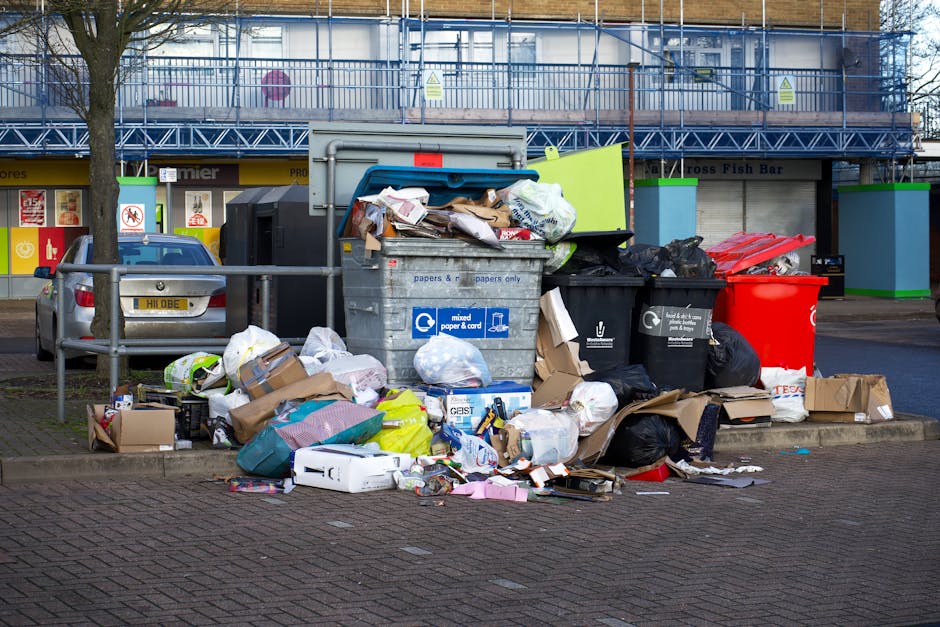
Camden Council recycling rules for King's Cross businesses
If you run a business in King's Cross, recycling can feel oddly complicated for something so ordinary. One day it's cardboard boxes piling up after deliveries, the next it's coffee cups, printer paper, broken chairs, and a bin store that somehow looks fuller at 9am than it did at closing time. This guide explains Camden Council recycling rules for King's Cross businesses in plain English, so you can stay organised, reduce contamination, and avoid the kind of avoidable waste issues that waste time and money.
We'll cover how business recycling generally works in Camden, what kind of materials need separating, what mistakes tend to trip people up, and how to build a system that actually works in a busy office, shop, studio, cafe, or shared workspace. There's also a practical checklist, a comparison table, and a realistic example from day-to-day business life in central London. Nothing fluffy. Just useful, grounded advice.
Table of Contents
- Why Camden Council recycling rules for King's Cross businesses Matters
- How Camden Council recycling rules for King's Cross businesses Works
- Key Benefits and Practical Advantages
- Who This Is For and When It Makes Sense
- Step-by-Step Guidance
- Expert Tips for Better Results
- Common Mistakes to Avoid
- Tools, Resources and Recommendations
- Law, Compliance, Standards, or Best Practice
- Options, Methods, or Comparison Table
- Case Study or Real-World Example
- Practical Checklist
- Conclusion
- Frequently Asked Questions
Why Camden Council recycling rules for King's Cross businesses Matters
Recycling rules matter because business waste is not the same as household waste. That sounds obvious, but in practice plenty of businesses blur the two, especially in mixed-use buildings around King's Cross where offices, studios, retailers, and hospitality venues can all sit within the same street or even the same block.
For a business, the point is not just to "throw things in the recycling". It is to separate waste properly, present it in the right containers, and make sure collection and disposal are handled responsibly. If your waste is mixed, messy, or poorly stored, it becomes harder to recycle and easier to create problems with contamination, pests, smells, or overfilled storage areas. And let's be honest, no one wants a bin store that starts smelling faintly of old milk and cardboard by midweek.
King's Cross businesses also tend to be busy and space-tight. There is often limited room for waste segregation, collection timing matters, and staff turnover can make procedures inconsistent. That means the "simple" bit of recycling needs a system behind it. Once the system is set up, though, it gets much easier.
Key takeaway: Good recycling isn't about perfection. It's about consistency, clear sorting, and making the right thing easy for staff to do every day.
It also matters from a reputation point of view. Customers, clients, and tenants notice when a business looks organised and responsible. A neat waste setup quietly signals professionalism. A chaotic one says the opposite. Not glamorous, perhaps, but real.
If your operation produces larger volumes of commercial waste, you may also want to review business waste removal support and the company's broader recycling and sustainability approach so your systems line up with day-to-day operations.
How Camden Council recycling rules for King's Cross businesses Works
At a practical level, the rules work by requiring businesses to keep different waste streams separate and to arrange appropriate collection or disposal routes. The exact setup will depend on your premises, the waste types you produce, and how your waste contractor operates, but the principle is consistent: sort before you throw away.
Most businesses will need to think in terms of these broad waste streams:
- Dry mixed recycling such as clean paper, cardboard, cans, tins, and certain plastics where accepted.
- Food waste from kitchens, cafes, staff rooms, and hospitality settings.
- General waste for non-recyclable items that cannot go elsewhere.
- Glass where applicable, especially for hospitality businesses.
- Bulky or specialist waste such as furniture, office equipment, builders' waste, or mixed clearances.
The important bit is that recyclables must stay as clean and uncontaminated as possible. A greasy pizza box, for example, may not be treated the same way as clean cardboard. Wet paper, food-soiled packaging, and mixed materials can all reduce the quality of recycling. That's the part people underestimate.
In King's Cross, many businesses also need a separate plan for occasional bulk clearances. If you are replacing desks, clearing stock, or getting rid of old shelving, a standard bin system usually won't be enough. In those situations, a dedicated clearance route such as office clearance or waste removal is often more practical than trying to force everything into normal bins.
Another point that gets missed: staff need to know what goes where. A recycling policy is only useful if people can follow it without stopping to decode it every time they hold an empty box or a broken monitor cable. Labels, bins, and short internal instructions make a huge difference.
What businesses usually get wrong
The biggest issue is contamination. A few wrong items can ruin an otherwise decent recycling load. The second issue is storage. If waste is kept in open corridors, outside without cover, or in mixed piles, it can create hygiene and safety issues. The third issue is assuming that "it's only a small amount" means the rules don't matter. Small amounts add up quickly in a commercial setting.
Key Benefits and Practical Advantages
Following Camden Council recycling rules for King's Cross businesses is not just about avoiding problems. There are real operational benefits too, and they show up faster than you might expect.
- Cleaner workspaces: Clear bins and separate streams reduce clutter and keep back-of-house areas calmer.
- Better staff behaviour: Simple recycling systems are easier for teams to follow, especially new starters.
- Less contamination: Sorting properly means more materials can be recycled rather than downgraded or rejected.
- More efficient waste handling: A tidy system makes collections smoother and reduces awkward last-minute overflow.
- Better use of space: In a compact King's Cross premises, efficient waste storage matters more than people think.
- Stronger reputation: Clients notice clean, well-run premises. It's subtle, but it counts.
There is also a financial angle, though it should be approached carefully. Better separation can reduce unnecessary general waste, and in many businesses general waste is the least efficient stream to rely on. It often costs more to manage than recyclables, simply because it contains everything mixed together. So if you can keep cardboard, food waste, and bulky items apart, you usually give yourself more control.
For businesses with furniture churn or regular fit-out changes, it can make sense to separate recyclable items from reusable or disposable items early on. A service like furniture disposal can help when office chairs, desks, cabinets, or shelving need to leave the premises in an orderly way rather than becoming a back-room pile nobody wants to look at.
And if you're in a building with awkward access, tight stairwells, or limited lift use, clear planning saves hassle. A little planning now usually beats a last-minute scramble later. Every time.
Who This Is For and When It Makes Sense
This matters for almost any King's Cross business that produces regular waste, but it is especially relevant if you run one of the following:
- an office or co-working space
- a cafe, restaurant, bar, or takeaway
- a retailer or showroom
- a creative studio or agency
- a healthcare, education, or professional services premises
- a property manager handling multiple units
- a business completing a refit or relocation
It also makes sense if you are noticing any of these warning signs:
- bins fill too quickly or overflow before collection day
- staff are unsure what belongs in each container
- recycling loads are getting contaminated
- you have bulky items building up in storage
- the waste area looks untidy, smells, or attracts pests
- you are moving office, refurbishing, or changing fit-out furniture
If any of those sound familiar, the issue probably isn't that you need "more bins" in a vague sense. It's usually that the current setup has drifted away from how the business actually works. Truth be told, that's common. Businesses grow, teams change, and waste habits get messy before anybody notices.
For businesses that need occasional one-off clearances rather than standard collections, it can help to look at builders waste clearance for refurbishment debris or furniture clearance for old office items that are no longer useful.
Step-by-Step Guidance
If you want a simple way to put Camden Council recycling rules for King's Cross businesses into practice, start here.
- Identify what your business throws away most often. Count the main waste types over a normal week. Paper? Packaging? Food waste? Old stock? Broken furniture? Don't guess if you can avoid it.
- Separate recyclable and non-recyclable streams. Keep dry recyclables, food waste, general waste, and bulky items apart. The more clearly you separate them, the fewer problems later.
- Check storage space. Measure the bin store, service yard, or internal holding area. In King's Cross, space is often the limiting factor, not willingness.
- Label everything plainly. Use simple wording. "Cardboard only" is better than a poster full of jargon nobody reads.
- Train the team. A five-minute briefing is better than assuming everyone already knows. New starters especially need a quick walk-through.
- Set collection routines. Decide who moves bins, when they go out, and where bulky items are stored before collection. No improvising if you can help it.
- Review monthly. Waste patterns change. Seasonal sales, office moves, and fit-outs all affect volume.
If you are dealing with a mixed commercial clearance, it may be easier to build the waste process around a dedicated collection service rather than trying to fit everything into standard bins. That is often the difference between a system that works and one that becomes someone's annoying job on a Friday afternoon.
A practical note: don't wait until the bin area is already overflowing. By then, sorting becomes harder, staff get rushed, and contamination goes up. It's a small cycle, but it repeats fast.
Expert Tips for Better Results
After dealing with plenty of real-world waste situations, a few patterns stand out. The businesses that manage waste well tend to make recycling obvious, not optional.
- Put the right bin where waste is created. Near printers, tea points, stock rooms, and prep areas. If the bin is too far away, people dump things wherever they stand.
- Use visual cues, not just words. Simple labels, colour coding, and examples work better than long instructions.
- Keep cardboard flat. It sounds basic, but bulky cardboard is one of the quickest ways to clutter a storage area.
- Separate clean and dirty materials early. A clean stream stays useful. A contaminated stream becomes a headache.
- Make one person responsible. Not forever, just enough to keep the system updated and reviewed.
- Don't overcomplicate it. If people need a training manual to use the bins, the system is probably too clever by half.
Another useful habit is to review waste after a busy period. For example, after a product launch, Christmas trading, or an office refresh. You will notice the volume spikes, the types change, and the old setup may no longer fit. That's normal.
If your business has a lot of furniture turnover, it is often worth planning the exit route in advance. A linked process with office clearance and furniture clearance can reduce disruption and keep recycling better organised.
Expert summary: The best recycling systems are boring in the best possible way. Clear bins, plain labels, short instructions, regular checks. Nothing dramatic, just reliable.
Common Mistakes to Avoid
A lot of recycling problems come from a handful of repeat mistakes. Avoid these and your setup will usually improve quickly.
- Mixing waste streams: Once everything is mixed together, recycling quality drops and collections become less efficient.
- Ignoring bulky waste: Old desks, shelving, packaging pallets, and office furniture need a separate plan.
- Leaving items loose in corridors: It creates trip risks, fire clutter, and generally makes the place look chaotic.
- Using vague labels: "Recycling" is not enough on its own if staff are unsure what that means.
- Assuming everyone knows the rules: New starters, temps, and contractors won't always know your system.
- Forgetting contaminated items: A little food residue or the wrong packaging can spoil a whole bag or container.
One common mistake in King's Cross is underestimating access and timing. If collections happen early and your team arrives later, bins can sit in the wrong place for too long. If the service route is shared with other tenants, things get even more fiddly. Not impossible, just fiddly.
Another mistake is treating recycling as a one-off tidy-up project. It isn't. It's an operating habit. The businesses that get it right are the ones that revisit the setup before it drifts off course.
Tools, Resources and Recommendations
You do not need a complicated toolkit to improve recycling. Most businesses just need a few practical supports.
- Clearly labelled bins: Useful for reducing uncertainty and contamination.
- Simple staff posters: Best kept short, visual, and close to the bin point.
- Waste register or log: A basic record of what goes out and when can reveal patterns.
- Regular walk-through checks: Ten minutes once or twice a week is often enough.
- Collection planning: Align waste movements with your busiest and quietest times.
For more sustainable operations, many businesses also look at broader disposal and reuse options. If items are still usable, they may need clearing rather than disposal in the strict sense. That is especially relevant for desks, filing cabinets, hospitality furniture, and storage units. In those cases, a service like recycling and sustainability guidance and related clearance services can help you think more carefully about what should be reused, recycled, or removed.
If you are comparing service options, useful questions to ask are simple ones: Can the provider handle mixed commercial waste? Do they understand bulky items? Can they work around your access constraints? Will they help you keep waste streams separate rather than dumping everything together? Good answers there matter more than fancy wording.
And for businesses with less predictable waste, a flexible waste removal approach can be a better fit than a rigid one-size-fits-all collection pattern.
Law, Compliance, Standards, or Best Practice
This topic touches compliance, so it's worth being careful. Businesses in England generally need to manage commercial waste responsibly and keep it properly separated where required. That includes taking reasonable steps to prevent contamination, using authorised waste carriers, and ensuring waste is stored safely before collection.
For King's Cross businesses, best practice usually means:
- keeping recyclable materials separate from general waste
- storing waste in a way that avoids spillages, litter, and pests
- making sure staff understand the basic sorting rules
- using a reputable waste contractor for commercial collections
- keeping internal processes simple enough that they are actually followed
There is also the broader duty of care principle in UK waste management, which is essentially about making sure waste is handled correctly from your premises onward. You do not need to turn into a legal scholar to follow it, thankfully. But you do need a clear process and a bit of paperwork discipline.
If your site has health and safety considerations, shared access, lifting risks, or confined collection points, then waste handling becomes part of your safety routine as well as your recycling routine. That is where a well-run system helps twice over: cleaner operations, fewer accidents.
For readers managing risk and premises operations, it can also be useful to review the company's own health and safety policy and insurance and safety information when planning removals or clearances.
Options, Methods, or Comparison Table
There is no single best way to handle business recycling in King's Cross. The right option depends on waste volume, space, and how often your waste changes. Here's a simple comparison to help.
| Method | Best for | Strengths | Limitations |
|---|---|---|---|
| Standard bin-based recycling | Offices, small shops, steady waste streams | Simple, low effort, easy to train staff | Can struggle with bulky items or mixed waste |
| Dedicated commercial collections | Businesses with regular waste volumes | More structured, easier to separate streams | Needs good setup and scheduling |
| One-off clearance service | Refits, moves, stock changes, furniture replacement | Useful for bulky or unusual items | Not ideal for everyday waste |
| Hybrid model | Most growing businesses | Flexible, practical, can adapt over time | Needs periodic review or it becomes messy |
In practice, many businesses end up using a hybrid model. That means standard recycling for daily waste and a separate clearance route for occasional bulk items. That balance works especially well in central London, where space is at a premium and the calendar moves quickly.
If you're deciding between methods, ask one simple question: what waste do we produce every week, and what waste appears only once in a while? That answer usually points you in the right direction.
Case Study or Real-World Example
Picture a small creative agency in King's Cross. Nothing dramatic. Ten staff, two meeting rooms, a kitchenette, lots of packaging from client deliveries, and a small storage room that slowly becomes the graveyard of old chairs, monitors, and office odds and ends.
At first, waste handling is informal. Everyone does their best, which is exactly how waste starts becoming someone else's problem. Cardboard goes mostly into recycling, except when it doesn't. Food waste ends up in the wrong bag. A broken chair sits in the corner for three weeks because nobody wants to deal with it. By Friday, the storage room has a kind of dusty, papery smell that says "we'll sort it next week".
What changes the situation is not a big intervention. It's a small reset.
- The team assigns one person to check the waste area twice a week.
- Cardboard is flattened immediately after delivery.
- Food waste has a clearly labelled container near the kitchenette.
- Old furniture is logged separately for collection.
- Anyone clearing a desk is shown the system once, not left to guess.
Within a short time, the area becomes easier to manage. The bins fill in a more predictable way. Staff stop asking where things go every five minutes. And the broken chair? Gone. Which, to be fair, was probably the most emotional moment for the room.
For a business with regular office turnover, using organised support like furniture disposal alongside standard recycling can prevent exactly this kind of slow build-up.
Practical Checklist
Use this checklist to pressure-test your current setup. If several of these answers are "not really", there's your next project.
- Do we know our main waste streams?
- Are recycling and general waste clearly separated?
- Do staff know what can and cannot go into recycling?
- Are bins labelled in plain English?
- Is cardboard flattened before storage?
- Is food waste kept out of dry recycling?
- Are bulky items handled through a separate process?
- Is waste stored safely and neatly before collection?
- Do we review our waste setup after busy periods?
- Are we using the right collection or clearance support for our actual needs?
If you can answer yes to most of those, you are probably in a good place. If not, don't panic. Most systems improve quickly once the weak spot is visible.
For businesses that need a broader premises clearance, it can also help to look at related services such as office clearance and business waste removal so the daily routine and the occasional clear-out do not clash.
Conclusion
Camden Council recycling rules for King's Cross businesses are easiest to follow when you treat them as part of everyday operations, not an occasional admin task. Keep waste streams separate, make the bins obvious, review the system regularly, and deal with bulky items before they become a blockage in the corner.
The businesses that do this well usually aren't the ones chasing perfection. They're the ones that keep things clear, simple, and consistent. That's the real win. Less mess, less confusion, and fewer awkward moments when someone asks, "Where does this go?" and nobody quite knows.
If you need help turning a messy waste setup into something more workable, the safest next step is to review your current collection and clearance process before the next busy week lands.
Get a free quote today and see how much you can save.
Sometimes the best operations change starts with one tidy bin area and a slightly less chaotic Monday morning. Small things, really. But they matter.
Frequently Asked Questions
What are Camden Council recycling rules for King's Cross businesses in simple terms?
In simple terms, businesses need to separate recyclable waste from general waste and manage it properly before collection. The exact setup depends on the type of waste you produce, but the principle is always the same: sort it, store it safely, and avoid contamination.
Do businesses in King's Cross have to separate food waste?
If your business produces food waste, such as a cafe, restaurant, or staff kitchen, it should be separated from dry recycling and general waste. Food waste is one of the easiest things to get wrong because it quickly contaminates other recyclables.
Can I put cardboard in the recycling if it has a bit of grease on it?
Light contamination can be a problem, especially if the cardboard is heavily soiled. Clean, dry cardboard is usually the best candidate for recycling. If the box is greasy or food-stained, it may need to go in a different stream depending on your setup.
What happens if my business mixes recycling and general waste?
Mixed waste is harder to recycle and more likely to be downgraded or rejected. It can also create hygiene problems and make your waste area less efficient. A little mixing now and then happens in real life, of course, but consistent mixing is where the trouble starts.
Do I need a separate plan for office furniture or bulky items?
Yes, bulky items usually need a separate process. Desks, chairs, cabinets, and shelving rarely fit neatly into normal waste arrangements. That is where planned clearance or furniture removal becomes useful.
Is standard household recycling the same as business recycling?
No. Business waste is handled differently from household waste, and businesses generally need to organise commercial waste correctly rather than relying on domestic-style arrangements. That distinction matters more than many people expect.
How often should a business review its recycling setup?
At least periodically, and especially after changes such as a move, refurb, seasonal rush, or staff growth. Waste patterns change quietly, then all at once. A short monthly review is often enough for many small businesses.
What is the biggest mistake businesses make with recycling?
Contamination is probably the biggest one. The second biggest is assuming staff will "just know" what to do. If the bins are unclear, the system becomes inconsistent very quickly.
Can a waste contractor help with recycling compliance?
A good contractor can help with collection, segregation, bulky items, and practical planning. They cannot replace your internal responsibility, but they can make the setup far easier to manage. The partnership matters.
What should I do if my waste storage area is too small?
Start by reviewing what you are storing, how often it is collected, and whether bulky items are being left there too long. Small spaces often need smarter scheduling rather than just more bins. A tidier process can free up space surprisingly fast.
Are there specific rules for King's Cross because it is in central London?
The key requirements come from commercial waste responsibilities and local operating expectations rather than the postcode alone. In a dense area like King's Cross, the practical issues are usually access, storage, and timing. That is where planning makes the biggest difference.
When is it better to use a one-off clearance instead of normal recycling collections?
Use a one-off clearance when you have bulky items, a refit, a move, or a sudden build-up that does not fit the usual bin routine. For regular day-to-day waste, normal collections still make sense. For the awkward stuff, a separate clearance route is often cleaner and simpler.