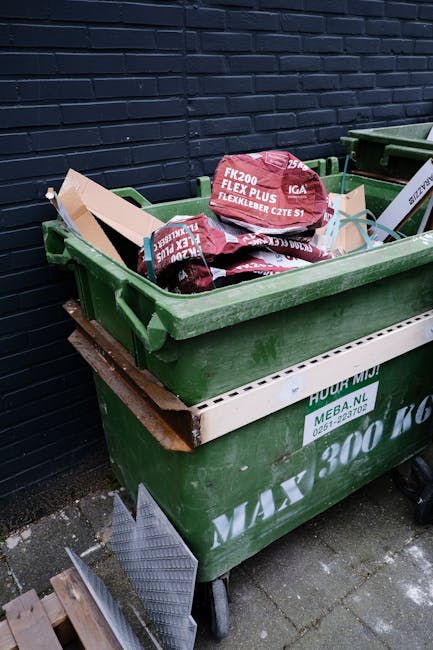
Battlebridge Basin Kings Cross rubbish collection tips for locals

If you live, work, or keep a flat near the Basin, you already know rubbish can become a nuisance very quickly. One missed collection, one awkward bulky item, and suddenly the hallway smells, the courtyard looks messy, and everyone is stepping around a bin bag nobody claims. This guide to Battlebridge Basin Kings Cross rubbish collection tips for locals is here to make the whole thing simpler. You will find practical advice for everyday waste, bulky clear-outs, and the sort of local know-how that saves time, avoids headaches, and keeps shared spaces decent.
Let's face it: rubbish collection is not glamorous, but it matters. Especially in busy parts of King's Cross where flats, offices, shops, and short-term lets all create different waste streams at the same time. The good news? A few sensible habits go a long way.
Why Battlebridge Basin Kings Cross rubbish collection tips for locals Matters
Battlebridge Basin sits in one of the busiest little pockets of central London. That sounds obvious, but the impact on waste is easy to underestimate. Tight access, shared entrances, limited storage, and high foot traffic all make rubbish collection more sensitive here than in a suburban street with a tidy front drive and a roomy bin store.
For locals, the stakes are practical rather than dramatic. Rubbish left out too long can attract pests, block walkways, create friction with neighbours, or make a building look neglected. If you manage a home, a flat, a shop, or a small office around King's Cross, you need a routine that suits the building, not some generic "put it out and hope" approach. That is where good collection habits pay off.
There is also a money angle, even if people do not say it out loud. Messy waste handling tends to create extra call-outs, rushed clearances, and avoidable double handling. A little planning usually costs less than a last-minute panic. Simple, but true.
And for anyone trying to keep things civil in a shared block, regular rubbish discipline is one of those quiet wins. Nobody thanks you for it, but everybody notices when it slips.
How Battlebridge Basin Kings Cross rubbish collection tips for locals Works
At a basic level, rubbish collection in the area comes down to separating what can be collected normally, what needs special handling, and what should be removed as a one-off clearance. For most locals, the main challenge is not the rubbish itself. It is the timing, storage, and access.
Here is how it usually plays out in real life:
- Household waste is kept in bins or sacks until the scheduled collection time.
- Dry mixed recycling is separated where possible, so the waste stream stays cleaner.
- Bulky waste such as furniture, old appliances, or broken storage units needs a separate plan.
- Trade or business waste from offices, shops, or hospitality spaces often needs a more structured collection schedule.
- Hazardous or awkward items need special care and should never be treated like everyday rubbish.
For many residents, the trick is simply making waste easier to move. Smaller bags, clearer labelling, better storage, and a tidy exit route from the property all help. If you have ever tried to carry a sagging bin bag down two flights of stairs while someone's bike is in the way, you know what I mean.
When the task is beyond normal bin collection, a specialist clearance service can step in. That might be a waste removal visit for mixed rubbish, or something more specific like house clearance, flat clearance, or office clearance depending on the setting. Different waste, different rhythm.
Key Benefits and Practical Advantages
Good rubbish collection habits do more than keep a space looking neat. In a place like Battlebridge Basin, they protect the day-to-day experience of living there. That matters more than people think.
- Cleaner communal areas: Less overflow, less mess, fewer arguments about "whose bag is that?"
- Better odour control: Waste left in warm communal spaces can become unpleasant quickly, especially in summer.
- Lower pest risk: Food waste, loose packaging, and badly sealed bags invite trouble.
- Easier building management: Porters, landlords, and residents all benefit from a predictable routine.
- Less stress during clear-outs: If the rubbish is sorted, removal is faster and usually smoother.
- Better recycling outcomes: Clean separation helps useful materials stay out of general waste where possible.
A quieter advantage is goodwill. In small urban communities, people remember who keeps things sensible. It sounds minor, but good waste habits can improve the feel of a building almost overnight. A tidy bin store has a way of making the whole place feel more looked after.
For larger jobs, planning ahead can also open the door to more efficient services such as furniture disposal, furniture clearance, or builders waste clearance if the problem is tied to renovations. Different jobs, different tools.
Who This Is For and When It Makes Sense
This topic is relevant to a surprisingly wide mix of people. If you live around Battlebridge Basin or work nearby, chances are some part of it applies to you.
- Flat residents with limited storage or shared bin rooms.
- Landlords and letting agents dealing with end-of-tenancy rubbish or abandoned items.
- Small businesses needing regular collection without clutter building up in back rooms.
- Homeowners who are clearing lofts, garages, spare rooms, or garden clutter.
- Property managers responsible for common areas, waste bays, or move-in/move-out issues.
- Anyone doing works that create rubble, packaging, offcuts, or old fixtures.
It makes the most sense when regular bins are no longer enough. That can be after a furniture replacement, post-renovation mess, a spring clean that became a full-on declutter, or one of those weekends where you finally decide the spare room must be reclaimed. Why let three broken chairs and a collapsed shelving unit sit there another month?
If the situation is commercial rather than domestic, business waste removal is often the more suitable route. For homes, home clearance or a targeted room-by-room service may be the better fit. And yes, a slightly messy life is normal. Nobody keeps every corner under perfect control.
Step-by-Step Guidance
If you want to handle rubbish collection more efficiently, keep it simple and methodical. You do not need a complicated system. You need one that works on a Tuesday evening when the bags are heavier than expected and the lift is being temperamental again.
- Identify the waste type. Separate general rubbish, recycling, bulky items, and anything that needs special care.
- Check the storage space. Make sure bags, boxes, or bins are not blocking exits, fire routes, or shared corridors.
- Reduce volume first. Flatten cardboard, empty containers where safe, and break down light packaging.
- Bag or bundle properly. Use sturdy sacks, tie them securely, and avoid overfilling.
- Move bulky items safely. Clear a path, protect floors if needed, and do not drag heavy pieces over stairs or thresholds.
- Set a collection point. Keep items in one agreed place rather than scattered across the building.
- Book the right service if needed. If the rubbish is too much for normal collection, arrange a specialist clearance.
- Do a final sweep. Check for loose screws, shards, or forgotten packaging around the area.
One good habit is to treat waste collection like a mini project instead of a chore. That sounds a bit pompous, maybe, but it works. A five-minute check before collection day often prevents a much bigger mess later.
If you are dealing with loft clutter, garage leftovers, or a long-overdue clear-out, it may be more efficient to look at loft clearance or garage clearance rather than trying to move everything in stages for weeks on end.
Expert Tips for Better Results
A few small habits make rubbish collection around Battlebridge Basin much easier. These are the kinds of details that seem minor until you skip them.
- Keep one "holding zone" indoors. A corner near the exit can work for sorted waste awaiting pickup, as long as it stays tidy and safe.
- Use stackable boxes for clean dry items. Cardboard and soft plastics are easier to handle when grouped neatly.
- Protect shared surfaces. A bit of cardboard under heavy items can stop scratches on stairwells or hall floors.
- Schedule bulky clear-outs early. If you wait until the rubbish is already spilling over, you lose options.
- Keep packaging from new furniture for a day or two. Sometimes it is easier to confirm assembly and fit before flattening everything completely.
- Ask about recycling routes. Many people are surprised by how much can be diverted from general waste when sorting is done well.
In our experience, the best results come from keeping waste handling boring. Boring is good. Boring means predictable. Predictable means the bin area does not become the building's least pleasant feature by Thursday afternoon.
And here is a small local reality: central London bins often deal with a lot of mixed use. A clean, labelled, well-bundled set of items moves through the system faster than a pile of mystery bags and a broken lamp shade balanced on top. Not elegant. Just practical.
Common Mistakes to Avoid
Most rubbish problems are not caused by one big error. They are caused by several small ones adding up. The good news is that they are easy enough to avoid once you spot them.
- Leaving waste out too early. It clutters shared areas and can create odours or pest issues.
- Overfilling sacks. They split, spill, and make collection slower.
- Mixing everything together. That makes recycling harder and sorting more time-consuming.
- Blocking access routes. It is inconvenient and, in some buildings, a safety issue as well.
- Ignoring bulky items. Chairs, mattresses, and broken furniture do not disappear on their own, sadly.
- Assuming all waste can go in one go. Some items need different handling or a separate collection plan.
One common trap is the "I'll deal with it tomorrow" approach. Tomorrow becomes next week. Next week becomes a pile by the door and a slightly tense WhatsApp thread from the neighbours. We have all seen it.
If the waste is coming from a refurbishment or decorating job, it is usually better to separate it from everyday rubbish and use the right route for it. That is where builders waste clearance can make life noticeably easier.
Tools, Resources and Recommendations
You do not need fancy equipment, but a few basic tools help a lot when dealing with local rubbish collection and clear-outs.
- Heavy-duty bin bags: Stronger bags reduce splitting when carrying mixed waste or awkward items.
- Reusable crates or boxes: Handy for dry, clean, or sortable waste.
- Gloves: Useful for handling sharp packaging, dusty loft items, and general grime.
- Marker pen and labels: Very simple, very effective in shared buildings.
- Trolley or sack truck: A lifesaver for heavier items, especially in properties with awkward access.
- Floor protection: Cardboard, old blankets, or covers can help when moving furniture.
As for services, the right one depends on what you are clearing. A flat in shared accommodation is not the same as a warehouse corner or a home loft. If the job is large or mixed, waste removal is a flexible option. For a single household, house clearance can be the cleaner choice. For a workspace, business waste removal keeps things structured.
It may also help to review practical business information such as pricing and quotes, recycling and sustainability, and health and safety policy if you want a better sense of how a proper clearance is organised. That is just sensible due diligence, really.
Law, Compliance, Standards, or Best Practice
Waste handling in the UK comes with responsibilities, even when you are only clearing a flat or office locally. You do not need to become a compliance expert, but you should follow sensible best practice.
The main points are straightforward:
- Do not leave rubbish where it creates a hazard.
- Do not assume a contractor can take everything. Some items require special care or separate handling.
- Keep waste secure while waiting for collection. This reduces litter, contamination, and unwanted access.
- Use a reputable, transparent provider. Proper handling matters for safety and environmental reasons.
- Understand your own property rules. Buildings often have their own collection windows, access rules, and storage limits.
For landlords, managing agents, and business owners, a tidy paper trail is often worth keeping too. Quotes, service notes, and basic collection records can save arguments later. Not exciting, but useful.
If you want to understand how a provider approaches safety, responsibility, and business standards, pages such as insurance and safety, about us, and terms and conditions are the sort of background reading that helps build confidence before you book.
Options, Methods, or Comparison Table
Different rubbish situations need different approaches. The right choice depends on volume, urgency, access, and the type of waste you have.
| Method | Best for | Strengths | Limitations |
|---|---|---|---|
| Regular bin collection | Everyday household waste and standard recycling | Simple, familiar, low effort | Not suitable for bulky or excess waste |
| Self-managed disposal | Small amounts you can sort and transport safely | Flexible and controlled | Time-consuming, can be awkward without a vehicle |
| Specialist waste removal | Mixed rubbish, bulky items, post-clearance mess | Faster, easier, less lifting for you | Costs more than doing nothing, obviously |
| Room-by-room clearance | Full flat, house, loft, garage, or office clear-outs | Good for larger projects and decluttering | Needs planning and clear access |
For many locals, the decision is simple once you look at the volume and access. If you are dealing with a couple of bags, keep it in-house. If you are staring at three broken desks, a mattress, and a pile of packaging after a move, it is probably time for a proper clearance. No shame in that.
Case Study or Real-World Example
Picture a typical King's Cross flat after a weekend of sorting. There is a dining chair with a loose leg, two flattened boxes from new shelving, one bag of old cables, and a wardrobe that looked easier to dismantle than it turned out to be. By Sunday evening, the hallway is crowded and everyone is tired.
In that kind of scenario, the best approach is not to keep shuffling the mess around. First, separate the easy recycling from the mixed waste. Second, remove anything sharp or awkward from the walkway. Third, check whether the bulky item should go through a clearance rather than general collection. That one change usually turns a messy, stressful task into something manageable.
We have seen the same thing with small offices near the Basin. A couple of outdated storage units, old monitors, and packaging from new furniture can make the back room feel impossible. Once sorted and removed in one planned visit, the space suddenly works again. The room feels lighter. The air does too, if you know what I mean.
That is the practical value of getting rubbish collection right: less clutter, less friction, and a space people actually want to use.
Practical Checklist
Use this before collection day or before you book a clearance.
- Have I separated general waste, recycling, and bulky items?
- Are all bags tied securely and not overfilled?
- Is the collection path clear of bikes, boxes, prams, or furniture?
- Do any items need special handling or a separate service?
- Have I checked the building's access rules or collection times?
- Is the waste stored neatly and safely until pickup?
- Do I need help with lifting, carrying, or dismantling?
- Would a dedicated clearance save time and reduce hassle?
- Have I kept important or personal items out of the pile?
- Have I planned for the aftermath, not just the removal itself?
That last one matters more than people realise. A good clearance is not just about taking things away. It is about leaving the place ready to breathe again.
Get a free quote today and see how much you can save.
Conclusion
Battlebridge Basin Kings Cross rubbish collection tips for locals come down to a few plain truths: sort waste early, keep access clear, use the right method for the job, and do not wait until the pile becomes a problem. Around a busy local area like this, those habits make a real difference to comfort, cleanliness, and peace of mind.
If you are only dealing with everyday rubbish, a tidy routine may be enough. If you are facing bulky items, an office clear-out, or a home project that has grown legs, a proper clearance service is usually the cleaner, calmer answer. Either way, the aim is the same: make the space easier to live in, not harder.
And honestly, there is something satisfying about standing back after a clear-out and seeing the floor again. Small win, but a proper one.
Frequently Asked Questions
What is the best way to handle rubbish collection near Battlebridge Basin?
The best approach is to separate waste early, keep collections tidy, and use a specialist service when the amount or type of rubbish goes beyond normal bins. In a busy area, neat storage and good timing make a big difference.
Can I put bulky items out with normal rubbish collection?
Usually, no. Bulky items like sofas, wardrobes, mattresses, and broken desks are better handled through a dedicated clearance or bulky waste arrangement. Leaving them with standard bags tends to create delays and frustration.
How do I know if I need waste removal instead of bin collection?
If your waste is too large, too mixed, too heavy, or too awkward to fit the usual collection pattern, a dedicated waste removal service is probably the better option. If you are unsure, treat anything beyond routine household rubbish as a likely candidate for specialist help.
Is rubbish collection different for flats and houses?
Yes, quite often. Flats usually have tighter access, shared storage, and more rules around communal spaces. Houses may have easier access, but lofts, garages, and gardens can produce more bulky clutter. The method should match the property.
What should I do with furniture I no longer want?
If it is still usable, think about whether it can be cleared, reused, or removed as part of a furniture-specific service. For broken or worn-out pieces, furniture disposal or furniture clearance is often the cleanest route.
How can local businesses keep rubbish under control?
Businesses benefit from a fixed routine, clear sorting, and a proper waste removal plan. Offices, shops, and hospitality spaces often generate mixed waste quickly, so regular collections are usually more efficient than ad hoc fixes.
What are the biggest mistakes locals make with rubbish collection?
The biggest mistakes are overfilling bags, leaving waste out too early, blocking access routes, and mixing everything together. Those errors create more work later and can make a tidy building feel messy very fast.
Do I need to sort recycling before a clearance?
Yes, where practical. Sorting recyclable material separately can improve efficiency and reduce contamination. Even basic separation of cardboard, clean plastic, and general rubbish helps a lot.
How far in advance should I plan a clear-out?
As early as possible, especially if access is tight or the job involves bulky items. Planning ahead gives you time to sort, label, and choose the right service without last-minute stress.
What if my building has difficult access or no lift?
Then access planning becomes even more important. Clear stairwells, protect surfaces, and avoid loading too much weight into one bag or box. If the job is large, it is sensible to arrange help rather than risk injury or damage.
Are there sustainability benefits to better rubbish collection?
Yes. Cleaner sorting and better handling can improve recycling outcomes and reduce unnecessary landfill waste. If sustainability matters to you, it is worth looking at a provider's approach to recycling and responsible disposal.
Who should I contact if I need help with a bigger clear-out?
If the job is beyond everyday rubbish, the next step is to speak with a local clearance provider that handles mixed waste, bulky items, and property-specific clearances. For many people, that is the point where the whole thing becomes much easier, and a lot less stressful.