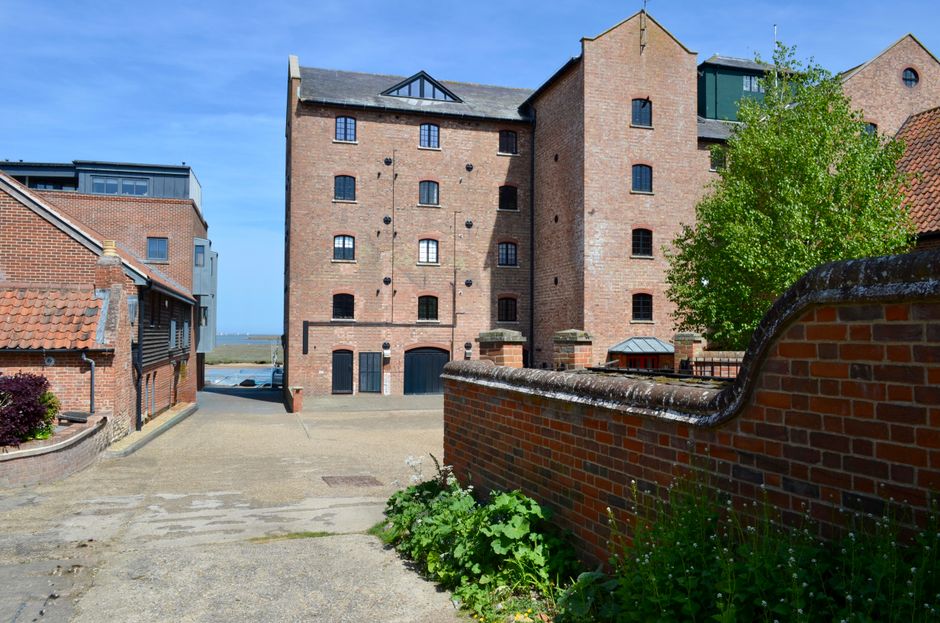
Flat-to-let clearance at Granary Square: before and after
If you have ever walked into a rental flat in Granary Square and thought, "Right, where do we even start?", you are not alone. Flat-to-let clearance at Granary Square: before and after is really about turning a tired, left-behind, or cluttered space into a clean, rent-ready home with as little stress as possible. That means clearing furniture, sorting unwanted items, handling waste properly, and making the property presentable for the next tenant or letting agent. Done well, it saves time, reduces void periods, and makes the whole handover feel far less chaotic. To be fair, the before state can look a bit grim. The after? A proper reset.
This guide breaks down what the process involves, why it matters in a busy London lettings market, how to do it well, and what to avoid. You will also find a practical checklist, a realistic example, and a few expert tips that come from knowing where these jobs usually go sideways.
Table of Contents
- Why Flat-to-let clearance at Granary Square: before and after Matters
- How Flat-to-let clearance at Granary Square: before and after Works
- Key Benefits and Practical Advantages
- Who This Is For and When It Makes Sense
- Step-by-Step Guidance
- Expert Tips for Better Results
- Common Mistakes to Avoid
- Tools, Resources and Recommendations
- Law, Compliance, Standards, or Best Practice
- Options, Methods, or Comparison Table
- Case Study or Real-World Example
- Practical Checklist
- Conclusion
- Frequently Asked Questions
Why Flat-to-let clearance at Granary Square: before and after Matters
Granary Square sits in a part of London where presentation really counts. A flat that is half-cleared, dusty, or left with random bits of furniture can quickly feel neglected, even if the structure itself is perfectly fine. That matters for landlords, agents, and tenants because first impressions affect viewing quality, rental speed, and how smoothly the next phase of the tenancy goes.
There is also a practical side. Old furniture, broken appliances, bagged waste, and leftover personal items can slow down cleaning, maintenance, and photography. If a flat is being re-marketed, every day spent waiting on clearance is a day the property is not ready to show. And in a rental market, time is money. No drama, just reality.
Before and after clearance also matters because it changes how people feel about the space. The "before" may be cramped, messy, and a bit overwhelming. The "after" should look lighter, safer, and more neutral. That blank-canvas effect helps a letting property breathe again. You notice the light better. The floor space makes sense. Rooms stop feeling smaller than they are.
For smaller city flats, especially, clutter is deceptive. One sofa, a dining chair, a broken desk, and a few forgotten boxes can make a room feel packed. Once the surplus is removed, the flat suddenly works differently. It feels like a place again, not a storage problem.
For a broader view of local support services, many people also look at flat clearance, furniture clearance, and waste removal when they need the job handled properly and efficiently.
How Flat-to-let clearance at Granary Square: before and after Works
Most flat-to-let clearances follow the same basic pattern, though the exact order depends on the condition of the property. The work usually begins with a walkthrough, then a plan for what stays, what goes, and what needs extra care. In practice, that means identifying reusable items, separating general rubbish, and handling bulky items in a way that avoids damage to walls, floors, lifts, and communal areas.
The "before" stage is about assessment. Is the flat fully furnished? Is it part-cleared already? Are there belongings that need to be returned to a tenant, stored, or disposed of? Are there heavy items in awkward rooms or up flights of stairs? It sounds straightforward, but a lot can turn up once cupboards, loft-style storage, or balcony corners are checked. And yes, there is always one mysterious box of cables.
The "after" stage is about reset. Floors are visible, access is open, and the flat is ready for deep cleaning, minor repairs, professional photos, or immediate letting viewings. If the clearance is coordinated well, it also reduces the chance that cleaners or decorators have to work around leftover objects. That makes the whole property cycle smoother.
A good clearance team should also be able to adapt to the building environment. In a Granary Square setting, that often means respecting shared entrances, lift access, delivery timings, and neighbours. Not glamorous, but important.
What typically gets removed?
- Old sofas, armchairs, beds, mattresses, wardrobes, and tables
- Broken or unwanted appliances
- Bagged household waste and mixed rubbish
- Boxes, books, clothes, and miscellaneous belongings
- Rugs, small cabinets, shelving, and loose household items
- Occasionally builders' residue after light works or refurbishments
If a property has recently been refreshed, you may also need help with builders waste clearance or, where the work is broader, home clearance. The right service depends on what is actually in front of you, not just the label on the door.
Key Benefits and Practical Advantages
The main benefit is speed. A well-managed flat clearance can shorten the gap between tenants and help a landlord move from vacancy to viewings much faster. That is the headline, but there is more to it than that.
1. Better presentation
When a flat is cleared properly, cleaning is easier and the final result looks sharper. Neutral, open rooms sell or let better than cluttered ones. It's just how people react.
2. Less stress for landlords and agents
Instead of juggling multiple contractors, a clearance service can remove the bulk items first, leaving the property ready for the next tradesperson. Less back-and-forth. Less "could you just" messaging. A relief, frankly.
3. Safer access
Removing bulky or unstable items reduces trip hazards and makes it easier for cleaners, decorators, and photographers to move around the property.
4. More controlled disposal
Good clearance work is not just about throwing things away. It is about sorting, reusing where appropriate, and sending waste through the proper channels. That matters for both reputation and responsibility.
5. Better value from the property
In rental terms, the before-and-after difference can be surprisingly big. A flat that looks cared for gives viewers confidence. A flat that looks abandoned does the opposite. Simple as that.
Expert summary: The real value of flat-to-let clearance is not the bin bag count; it is the time saved, the presentation improved, and the handover made calmer.
If you are comparing related services, furniture disposal can be useful for individual items, while house clearance may suit larger residential jobs with more rooms and more varied contents.
Who This Is For and When It Makes Sense
This kind of clearance is most useful for landlords, letting agents, property managers, executors, and tenants leaving a rented flat in a poor or partly cluttered state. It is also useful for developers or investors preparing a unit for relaunch. If the flat needs to look clean, neutral, and ready quickly, clearance is usually the sensible first move.
It makes sense when:
- a tenancy has ended and the flat still contains furniture or rubbish
- the property has been left untidy or partially abandoned
- you need to prepare for cleaning, decorating, or minor repairs
- photographs or viewings are due soon
- there are bulky items that are awkward to move safely
It may also make sense after probate, a long vacancy, or a hurried move-out where items were left behind. In real life, these situations are often emotional as well as practical. People are not always dealing with a pristine, predictable empty flat. Sometimes they are dealing with a deadline and a bit of a mess. That's fine. It happens.
For landlords with mixed property portfolios, the job can overlap with business waste removal if the flat includes office-style equipment, storage material, or rented contents tied to a wider commercial setup.
Step-by-Step Guidance
Here is a clean, practical way to manage a flat-to-let clearance without losing track halfway through.
- Walk the property first. Check every room, cupboard, under-bed space, and any storage alcoves. Make a quick note of bulky items, fragile pieces, and anything that looks reusable.
- Separate keep, remove, and review. If anything belongs to the tenant, landlord, or agent, identify it before clearance starts. That little bit of discipline saves arguments later.
- Decide on the right clearance method. A small flat with a few items may only need a straightforward removal. A full two-bed with furniture and mixed waste may need a more substantial service.
- Protect the property. Hallways, door frames, and lifts are the usual trouble spots. Moving a wardrobe through a narrow corridor can be a bit of a dance, and not the graceful kind.
- Remove items room by room. A structured approach works better than improvising. Start with the easiest bulky pieces, then move to smaller contents and loose waste.
- Sort recyclable and reusable materials. If an item can be reused, donated, or routed for responsible recycling, that is usually better than sending everything together.
- Do a final sweep. Check cupboards, corners, balconies, and behind doors. More than once, the last forgotten item is the one everyone thought was gone.
- Hand over the cleared space. Once the flat is empty and safe, it is ready for cleaning, repairs, or marketing.
If you want a wider residential perspective, the service logic often overlaps with flat clearance and, in larger homes, loft clearance where hidden clutter tends to accumulate over time.
Expert Tips for Better Results
One of the biggest mistakes people make is treating clearance as the last job rather than the first. In a letting turnaround, it should usually happen before deep cleaning and before any serious decorating. Clear first, then polish. That order matters.
A few practical tips:
- Photograph the before state. Not for vanity. For clarity. It helps track what was present and can settle disputes later.
- Label items that are staying. If there is any uncertainty, mark them clearly. A simple note on masking tape is often enough.
- Check access in advance. Lifts, stairwells, parking, loading windows, and building rules can affect timing more than people expect.
- Watch for hidden waste. Drawers, wardrobe tops, under-sink cupboards, and balcony storage can hide more than you would think.
- Plan the order of works. Clearance first, then cleaning, then any snagging. That sequence usually saves time.
It also helps to think about the final use of the flat. A studio aimed at young professionals needs a different finish from a family rental. The clearance itself may be the same, but the "after" picture should support the intended market. That is where a bit of judgement really pays off.
If you are handling items rather than a full clearance, furniture clearance can often be the neat middle ground between doing it yourself and arranging a full-property job.
Common Mistakes to Avoid
Let's face it, clearances tend to go wrong in predictable ways. Most of them are avoidable.
Leaving the decision until the last minute. If the new tenancy, cleaning visit, or photography appointment is close, panic tends to creep in. That leads to rushed decisions and missed items.
Not separating personal belongings from waste. This is a big one. Tenants, landlords, and agents should all be clear about what can be removed. Guessing is rarely a good idea.
Underestimating the volume of items. A few bags can become a van-full once wardrobes, mattresses, and small furniture are added. It happens more often than people admit.
Forgetting building logistics. In a development like Granary Square, you may need to think about access routes, neighbours, lift booking, or loading points. Ignoring that can turn a simple job into a slower one.
Mixing disposal with cleaning. Cleaning around clutter is inefficient. It usually means paying someone to work twice. Nobody wants that.
Assuming all waste is the same. Mixed rubbish, furniture, electricals, and renovation debris can require different handling. The wrong method can create delays or unnecessary costs.
One slightly annoying truth: a property can look nearly empty and still take longer than expected because of the little things. Loose screws, forgotten bags, awkward shelving. The tiny stuff always turns up.
Tools, Resources and Recommendations
You do not need a huge toolkit, but a bit of preparation helps.
- Protective gloves and sturdy footwear for safer handling
- Reusable sacks or bags for smaller loose items
- Labels or masking tape to separate keep and remove items
- Basic measuring tape if you need to assess bulky furniture or doorway clearance
- Phone camera for before-and-after records
- Inventory notes if the flat has items that must be retained or audited
For service planning and quote comparisons, the page on pricing and quotes is a useful starting point. If you care about how items are handled after collection, take a look at recycling and sustainability as well.
Depending on the condition of the flat, you may also need related services such as furniture disposal or, for properties with mixed contents, office clearance if workstations or business items were stored in the unit. That happens more than you would think, especially in conversion properties.
Law, Compliance, Standards, or Best Practice
For flat clearance work in the UK, the main thing is to dispose of waste responsibly and avoid mixing up personal property, commercial waste, and general rubbish without checking what belongs where. If a property contains electrical items, sharps, confidential paperwork, or anything potentially hazardous, those materials should be handled with care and routed appropriately.
There is also the practical matter of access and safety. Shared hallways, communal lifts, and narrow stairwells mean movers should take care not to damage communal areas or block exits. Good practice includes keeping routes clear, lifting safely, and making sure items are not left where someone could trip over them.
For landlords and managing agents, record-keeping is sensible too. Keep a note of what was removed, when it was removed, and whether any items were held back. That is not just tidy admin; it can prevent a lot of awkward questions later. Truth be told, a simple paper trail is worth its weight in coffee.
Where specialist handling is required, such as mixed waste, bulky items, or renovation debris, using a service that understands safe handling and responsible disposal is generally the best approach. You can also review practical company policies such as health and safety policy and insurance and safety to understand how the work is managed.
Options, Methods, or Comparison Table
There is more than one way to clear a flat before re-letting it. The right choice depends on size, timing, contents, and how much you want to manage yourself.
| Method | Best for | Pros | Watch-outs |
|---|---|---|---|
| DIY clearance | Very small jobs with light contents | Can be low cost if you already have transport and time | Slow, physically demanding, and easy to underestimate |
| Partial clearance | Removing bulky items only | Good if the flat is mostly empty but still has furniture | May still leave a lot of small waste behind |
| Full flat clearance | End-of-tenancy or pre-let reset | Fastest route to a clean, empty property | Needs clear instructions about keep items and access |
| Combined clearance and disposal | Mixed items, furniture, and general rubbish | Convenient and usually more efficient | Needs proper sorting and good communication |
For many rental properties, a full clearance is the most efficient option because it reduces the number of separate jobs. But if the flat only has a sofa, a mattress, and some leftover storage items, a lighter service may be enough. The key is not to overbuy the solution. That said, underbuying it is the more common mistake.
Case Study or Real-World Example
Imagine a two-bedroom flat near Granary Square that has just come back from a long tenancy. The living room still has a worn sofa, a coffee table with scratches all over it, a broken shelving unit, and several bags of mixed household waste. The bedrooms contain a mattress, two wardrobes, and boxes of odds and ends. The kitchen is mostly empty, but there are a few small appliances and some items left in cupboards.
Before: The flat feels cramped. It is hard to imagine a prospective tenant walking in and picturing themselves there. The place is technically habitable, but it does not present well. Cleaning around the clutter would be awkward, and the flat would almost certainly need more time before marketing.
After: The bulky items are gone, the loose waste is removed, cupboards are checked, and the flat is opened up visually. A cleaner can now work properly. A photographer can take wide, honest shots. The property suddenly feels lighter, brighter, and more saleable.
That kind of transformation is why flat-to-let clearance matters. It is not only about getting rid of things. It is about resetting the mood of the property. You can almost hear the room settling once the big pieces are out. A bit dramatic, maybe, but accurate.
Practical Checklist
Use this checklist before the clearance starts:
- Confirm what should stay and what should go
- Check all rooms, cupboards, and storage areas
- Identify bulky furniture and any fragile items
- Note access details, parking, and building rules
- Separate personal documents or valuables from waste
- Decide whether recycling, disposal, or reuse is appropriate
- Arrange the order of clearance, cleaning, and any repairs
- Take before photos for records
- Confirm who is responsible for final sign-off
- Do a final walk-through after removal
If the property includes extra storage spaces, garage clearance or loft clearance may also be relevant. Those areas are where forgotten items often hide, quietly waiting to make the job longer.
Get a free quote today and see how much you can save.
Conclusion
Flat-to-let clearance at Granary Square is one of those jobs that looks simple from the outside but makes a huge difference when it is done well. The before state may be cluttered, awkward, and a little overwhelming. The after state should feel calm, clean, and ready for the next chapter.
If you plan the work properly, clear the right items, respect building access, and follow a sensible order of operations, you will save yourself a lot of friction. That is the real win. Not just an empty room, but a flat that is ready to move forward without delay.
And honestly, there is something quietly satisfying about a cleared flat in a busy city. One moment it is packed with old furniture and leftover bits; the next, it feels open again. Fresh start, every time.
Frequently Asked Questions
What does flat-to-let clearance actually include?
It usually includes removing unwanted furniture, general rubbish, leftover belongings, and bulky items so the flat can be cleaned, repaired, and re-let. The exact scope depends on what is in the property.
How is this different from regular flat clearance?
The main difference is the end goal. Flat-to-let clearance is aimed at preparing a rental property for the next tenant, so timing, presentation, and handover are especially important.
Do I need to clear everything before cleaners arrive?
Usually, yes. Cleaners work better once bulky items and clutter are out of the way. If they have to work around furniture and bags, the job takes longer and the finish is less consistent.
Can reusable furniture be separated from waste?
Yes, and it should be wherever possible. Reusable items can sometimes be set aside for reuse, while damaged or unsuitable items are handled separately. It is a more sensible, cleaner approach.
How long does a typical flat clearance take?
That depends on the size of the flat, the amount of furniture, access, and whether the property has been partly cleared already. A small flat is usually quicker than a larger, fully furnished one.
What if there are items I still want to keep?
Those should be identified before the clearance starts. It helps to label them clearly or move them to one side so they are not taken away by mistake.
Is it suitable for probate or vacant flats?
Yes. Vacant flats, inherited properties, and end-of-tenancy homes are common situations where clearance is needed. The important thing is to be clear about ownership and instructions.
Do building access rules matter?
Very much so. In developments like Granary Square, access routes, lifts, loading areas, and neighbour awareness can affect the pace and smoothness of the job.
Can clearance be combined with other services?
Often, yes. People commonly combine clearance with furniture disposal, waste removal, or a broader home clearance plan depending on the property and the state it is in.
What should I check before getting a quote?
Check what items need removing, whether access is straightforward, whether there are stairs or lifts, and whether any items need special handling. Clear information usually leads to a more accurate quote.
Is recycling considered in the process?
It should be. A responsible clearance approach considers reuse and recycling before disposal. If sustainability matters to you, ask how items are sorted and handled.
What is the best order for a lettable property reset?
In most cases, it is clearance first, then cleaning, then repairs or decorating, and finally photography or viewings. That order keeps the work efficient and avoids having to redo tasks.