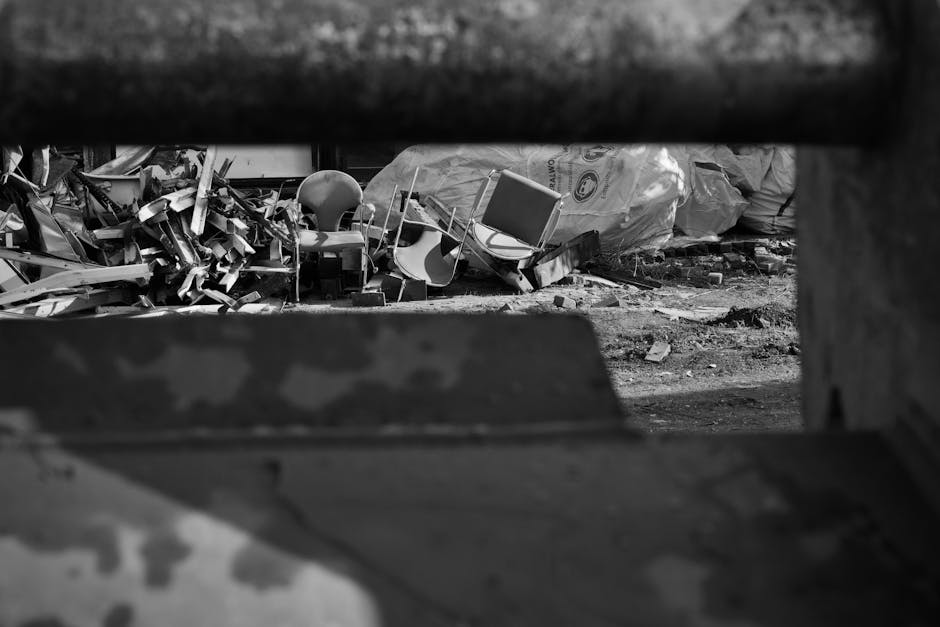
Where King's Cross furniture goes: eco recycling routes

If you've ever stared at an old sofa, a wobbly desk, or a stack of mismatched chairs and wondered what happens next, you're in the right place. Where King's Cross furniture goes: eco recycling routes is really about making sure bulky items do not simply disappear into a van and end up as avoidable waste. In a busy part of London, that choice matters more than people think. Space is tight, collections need to be handled properly, and the most sensible route is often the one that keeps furniture in use for as long as possible.
This guide breaks down the eco routes available in and around King's Cross, from reuse and donation through to material recycling and responsible disposal. You'll see how the process usually works, what to look for in a reliable service, and how to avoid the common mistakes that turn a simple clearance into a messy one. To be fair, furniture removal sounds straightforward until you're standing in a flat with a wardrobe that won't fit through the hallway. Then the details suddenly matter.
If you want a wider overview of local waste handling, our recycling and sustainability approach is a useful place to start, especially if you're trying to make a better-than-average disposal decision.
Why Where King's Cross furniture goes: eco recycling routes Matters
Furniture waste is different from a bag of general rubbish. It is bulky, often made from mixed materials, and frequently still usable in part even if it looks past its best. A wooden table might be repairable. A wardrobe might be dismantled and reused. Even a tired sofa can sometimes be stripped for components, textiles, or timber. That is why the route matters so much.
In King's Cross, where homes, offices, student accommodation, and short-term lets all sit close together, furniture moves quickly. People move out, refit, downsize, or change use of a space. Without a sensible recycling route, perfectly usable items can be thrown away in a rush. And let's face it, "I just needed it gone" is how a lot of avoidable waste starts.
Eco routes reduce pressure on landfill, support reuse, and make clearance feel less wasteful. They also fit the practical reality of London life. You do not always have time to hire a van, sort a donation drop-off, and dismantle a bed frame yourself. A good local clearance process should bridge that gap without cutting corners.
There's a wider value too. Better furniture handling can keep business premises tidy, help landlords prepare spaces responsibly, and make domestic clearances far less stressful. A room that looks hopeless on Friday can feel clear and usable again by Saturday morning. That shift is not just visual. It changes how the place feels.
How Where King's Cross furniture goes: eco recycling routes Works
Eco furniture recycling usually follows a simple logic: reuse first, recycle second, disposal last. That order matters. The most sustainable outcome is almost always to keep an item in use, either by rehoming it whole or by recovering usable parts.
Here is the typical route, in plain English:
- Assessment - The item is checked for condition, safety, size, and whether it can be reused.
- Sorting - Furniture is separated into categories such as reusable, repairable, recyclable, or residual waste.
- Dismantling - If needed, items are broken down into parts: wood, metal, fabric, foam, or plastic components.
- Reuse or donation - Decent-condition pieces may go for resale, donation, or redistribution.
- Material recovery - Recyclable materials are sent into appropriate waste streams where possible.
- Final disposal - Anything that cannot be safely recovered is handled through authorised waste disposal routes.
That last step is the one people often jump to too quickly. Truth be told, a lot of furniture is not "waste" at all in the first instance; it is just inconvenient. A scratched desk top or a solid oak chest with one bad drawer can often live a second life somewhere else.
For larger or mixed clearances, the route may overlap with other waste streams too. If you are clearing an office, a home, or a mixed-use unit, it can help to see furniture removal as part of a broader clearance plan. Our furniture clearance service and office clearance options show how furniture can be handled alongside other items without losing the eco focus.
Key Benefits and Practical Advantages
The obvious benefit is environmental. Keeping furniture in circulation reduces waste and saves resources. But the practical advantages are what really make people choose eco-friendly routes.
- Less waste going to landfill - Reuse and recycling reduce the volume of bulky items discarded.
- More efficient clearances - Sorting items properly can make removal quicker and less chaotic.
- Better value from old items - Even used furniture may still have resale or reuse value.
- Cleaner handovers - Landlords, tenants, and office managers can return spaces in better condition.
- Lower risk of fly-tipping mistakes - Proper disposal reduces the temptation to cut corners.
- More responsible business practice - Useful for companies that want to show a real sustainability mindset, not just talk about it.
There's also a human side to it. Someone else may genuinely need the item you are about to throw away. A student flat in N1C, a startup office, or a family setting up a first home can all benefit from furniture that still has a bit of life left. It sounds simple, because it is. But it makes a difference.
For businesses, this can be part of wider waste planning too. If you're managing regular waste or mixed commercial clear-outs, the business waste removal page is useful for understanding how recurring waste streams can be handled more systematically.
Who This Is For and When It Makes Sense
This topic matters to more people than you might expect. If you live or work in King's Cross, chances are you will eventually need to move furniture on, out, or aside.
- Homeowners and tenants - especially during moves, refurbishments, or downsizing.
- Landlords and letting agents - when clearing after a tenancy or preparing a furnished property.
- Office managers - replacing desks, chairs, partitions, or storage units.
- Hospitality and retail operators - refreshing furniture without creating avoidable waste.
- Student households - dealing with budget furniture that has reached the end of its life.
- Property managers - handling mixed loads in tight turnaround windows.
It makes sense whenever the item is bulky, awkward, or potentially reusable. A single dining table may be easy enough to donate or recycle. A full flat's worth of furniture is another matter entirely. That's where a planned route becomes useful rather than optional.
Sometimes people wait until the last minute, then the lifting starts at 7pm on a dark winter evening, the lift is busy, and everyone is suddenly negotiating around a wardrobe the size of a small car. Not ideal. A better route avoids that drama.
Step-by-Step Guidance
If you want a practical way to think about eco furniture disposal in King's Cross, use this sequence. It keeps the process calm and makes the result more sustainable.
- List the items
Walk through the room and note what you have. Include size, condition, and whether each item is complete. A quick phone photo helps more than people realise. - Separate usable from unusable
Ask one question: could this reasonably be used by someone else with minimal work? If yes, it's a reuse candidate. - Check for parts value
Even if the whole item is not fit for reuse, parts may still be useful. Metal legs, hardwood panels, or intact drawers can matter. - Decide whether dismantling is needed
Many furniture items can only be removed safely if taken apart first. This is especially true for wardrobes, bed frames, and large desks. - Choose the best route
Reuse, resale, recycling, or disposal. In that order, if possible. - Book collection at the right time
Pick a slot that works with building access, parking restrictions, and any lift use. In a place like King's Cross, timing is not a small detail. - Make access clear
Move smaller items away from the main route. Secure pets. Keep stairs and corridors clear. - Request confirmation of handling
If you want an eco route, ask how items are sorted, where suitable pieces go, and what happens to recyclable components.
One tiny but important point: not every item needs to be "perfect" to be worth diverting from the waste stream. A chair with cosmetic wear is not the same as a broken chair with structural damage. That distinction sounds obvious until you're under pressure and trying to make a decision quickly.
Expert Tips for Better Results
In our experience, the smoothest furniture clearances are the ones where the decision-making happens before collection day. A few small choices can improve the whole outcome.
- Photograph everything before the crew arrives - It speeds up assessment and avoids confusion.
- Keep screw packs and fittings together - If an item may be reused or reassembled, tape fixings into a bag and label it.
- Measure doorways and stairwells early - This is the classic "why didn't we check that first?" moment.
- Separate electronics from furniture - Office chairs are not printers, obviously, but they often get bundled together in the same room.
- Think in categories, not piles - Reuse, recycle, dispose. Simple labels, less confusion.
- Ask about partial loads - Sometimes a collection can still be worthwhile even if only a few items are going.
Here's a useful rule of thumb: if the item can be passed on without creating extra waste, do that. If it can be broken into recoverable materials, do that next. Only send it to final disposal if there really is no sensible alternative. That sounds a bit austere, but it's actually the easiest path once you get used to it.
For mixed household situations, especially where clutter has built up over time, a structured approach helps enormously. Our home clearance service and house clearance support can be relevant when furniture is only one part of a larger clear-out.
Common Mistakes to Avoid
Most problems with furniture recycling are not dramatic. They're small, practical errors that snowball.
- Assuming everything is rubbish - Many items still have reuse potential.
- Waiting until the last minute - This leads to rushed decisions and poorer outcomes.
- Ignoring access issues - A sofa that fits in the room may still be a nightmare to get out.
- Mixing furniture with general waste - It becomes harder to separate recoverable materials later.
- Using an unverified carrier - Cheap can become expensive very quickly if items are dumped illegally.
- Forgetting about building rules - Some properties have specific collection windows, lift restrictions, or loading requirements.
Another common slip-up is underestimating how long disassembly takes. That flat-pack wardrobe you assembled in a flash one Sunday afternoon? Taking it apart is always slower. Always. If you've got multiple pieces, budget the time properly.
If you want to avoid poor practice, it helps to understand why trusted handlers matter. Our guide on licensed waste carriers vs cheap traders in King's Cross is worth a look because the difference is not just administrative; it affects where your furniture actually ends up.
Tools, Resources and Recommendations
You do not need a huge toolkit to manage furniture recycling well, but a few basic items make the process easier.
- Measuring tape - Check doorways, lifts, stairs, and hallways before collection.
- Screwdrivers and hex keys - Handy for dismantling beds, tables, and modular furniture.
- Labels or marker pens - Mark items as reuse, recycle, or dispose.
- Work gloves - Useful for handling splintered wood or sharp fixings.
- Phone camera - Simple, but very useful for recording what needs to go.
- Moving blankets or straps - Helpful when shifting items through tight spaces.
On the service side, it helps to work with providers who explain the route clearly rather than vaguely promising to "deal with it." Ask how they separate furniture, whether they prioritise reuse, and whether the collection is suitable for mixed loads. Clear answers are a good sign. Fuzzy answers usually are not.
If you are comparing disposal options, these pages can help frame the decision: furniture disposal, waste removal, and pricing and quotes. They are useful when you want to understand both the practical route and the likely shape of the job.
For more context on responsible handling across the business, the health and safety policy and insurance and safety information can also be reassuring, especially if you are arranging a clearance in a shared building.
Law, Compliance, Standards, or Best Practice
Furniture disposal in the UK is not something to treat casually. Even if you are only clearing a few items, it is sensible to use a route that is consistent with responsible waste handling. You do not need to become a legal expert overnight, but a few principles matter.
First, make sure the waste is handled by an appropriate and credible carrier. That matters because if furniture is dumped illegally after collection, the trail can lead back to the person who arranged it. That's the sort of headache nobody wants on a wet Tuesday.
Second, for businesses in particular, keeping waste separate and documented is good practice. Furniture should not be treated as a vague afterthought. If your office is replacing desks, chairs, or cabinets, plan the removal in a way that makes sorting and traceability easier.
Third, follow building rules and local access requirements. In dense areas around King's Cross, loading restrictions, access timing, and shared entrances can all affect how a collection should be carried out. A responsible service should work around those realities rather than pretending they do not exist.
Finally, if items can be reused, that is generally the better route before recycling or disposal. That's not just an environmental preference; it reflects the common best-practice hierarchy used across the sector. Reuse first, then recycle, then dispose.
For further background on the broader standards around waste handling, our about us page and recycling and sustainability guidance can help set expectations in a straightforward way.
Options, Methods, or Comparison Table
Not every furniture item needs the same route. A quick comparison can help you decide what makes most sense.
| Route | Best for | Pros | Limitations |
|---|---|---|---|
| Reuse or donation | Items in good, safe condition | Highest value kept in circulation; least waste | Not suitable for damaged or unsafe furniture |
| Repair and resale | Solid pieces with minor faults | Can extend life and recover value | Needs time, space, or a buyer willing to repair |
| Material recycling | Items that can be broken into recoverable parts | Reduces waste and recovers resources | Mixed materials can be harder to separate |
| Responsible disposal | Unsafe, damaged, or non-recoverable furniture | Fast and practical when no better route exists | Least sustainable option, so should be the last choice |
A lot of real-life jobs involve a mix of all four. A sofa might be disposed of, a table reused, and a desk broken down for materials. That mixed outcome is normal, and honestly, it's often the smartest result.
Case Study or Real-World Example
Here's a realistic King's Cross scenario. A small office near the station is refurbishing and needs to remove four desks, six chairs, two storage units, and a reception table. The team wants the space cleared quickly, but they also want to avoid sending useful items straight to waste.
The first step is sorting. The chairs are structurally sound, though two have worn fabric. The storage units are still usable but too bulky for the new layout. The reception table has a scratched surface, but it's solid. Instead of treating everything the same, the items are split into categories.
- Reuse candidate - The best chairs and the reception table.
- Repair candidate - The worn chairs, if a simple refresh is worthwhile.
- Recycle/disassemble - Storage units with mixed materials.
- Final disposal - Any parts that are damaged beyond practical recovery.
The crew plans access in advance, checks the lift size, and clears the corridor route before collection. The result is a cleaner handover, less wasted material, and fewer surprises on the day. Nothing glamorous, sure. But that's the point. Good clearance often looks boring because it has been thought through properly.
For office-focused jobs like this, the office clearance route is especially useful, and if bulky items are part of a wider load, the builders waste clearance page can also be relevant where refurbishment debris is involved.
Practical Checklist
Use this checklist before you book or carry out a furniture clearance. It keeps the job calm and helps the eco route stay front and centre.
- Have I listed every item that needs to go?
- Which items are still usable by someone else?
- Which items can be dismantled safely?
- Have I measured doors, stairs, and lifts?
- Do I know which items need recycling rather than disposal?
- Have I checked building access times and parking limits?
- Have I separated furniture from other waste types?
- Do I understand how the carrier handles reuse and recycling?
- Have I kept screws, fittings, and small components together?
- Is there a backup plan for awkward or oversized items?
Quick takeaway: if you can reuse it, do that; if you can recycle it safely, do that next; and if neither works, make sure the final disposal is handled properly. Simple, but powerful.
Conclusion
Where King's Cross furniture goes: eco recycling routes is really about making smart decisions with bulky items instead of defaulting to the quickest bin-and-forget approach. In a dense London area like King's Cross, the best outcomes usually come from a bit of sorting, a bit of planning, and a service that understands reuse, recycling, and responsible disposal in equal measure.
That approach saves waste, reduces stress, and keeps furniture moving in the right direction. Sometimes the item is reused as-is. Sometimes it gets broken down for parts. Sometimes it truly has reached the end. The key is making that call carefully, not lazily. And once you do, the whole process becomes much more manageable.
Get a free quote today and see how much you can save.
And if you're still standing there wondering whether that old desk has one more life in it, fair enough - it probably does more than you think.
Frequently Asked Questions
What happens to furniture after collection in King's Cross?
It is usually sorted first. Reusable items may be passed on, repairable pieces may be recovered, and the rest is separated into recyclable parts or residual waste for proper disposal.
Can old furniture be recycled if it is damaged?
Sometimes, yes. Even when the whole item cannot be reused, some of the wood, metal, fabric, or plastic parts may still be recoverable. The exact route depends on the condition and material mix.
Is reuse better than recycling for furniture?
Generally, yes. Reuse keeps the item in circulation longer and avoids the extra processing needed for recycling. Recycling is the next-best route when reuse is not realistic.
How do I know if a furniture collection is genuinely eco-friendly?
Ask how the service sorts items, whether it prioritises reuse, and what happens to recyclable materials. Clear answers are a good sign. Vague promises are not.
What furniture items are hardest to recycle?
Mixed-material items are usually the hardest, especially those combining wood, foam, fabric, metal, and adhesives. They can often still be handled responsibly, but the route is more complex.
Do I need to dismantle furniture before removal?
Not always, but it helps in many cases. Large wardrobes, bed frames, and bulky desks may need to be taken apart for safe removal through narrow hallways or stairs.
What should businesses do with office furniture they no longer need?
They should separate reusable items from damaged ones, plan the removal in advance, and use a service that can handle mixed loads properly. Office furniture often has more reuse potential than people expect.
How long does a furniture clearance usually take?
It depends on the volume, access, and whether items need dismantling. A small collection can be fairly quick, while a larger flat or office clearance naturally takes longer.
Are there risks in using a cheap unlicensed trader?
Yes. The biggest risk is poor handling, including illegal dumping. That can create problems for the person who arranged the collection. It's better to use a proper, traceable route.
Can I combine furniture removal with other waste types?
Yes, often you can. Mixed loads are common, especially in homes and offices. The important thing is that items are sorted correctly so furniture can still follow the best possible eco route.
What if my furniture still has some life left but I need it gone quickly?
That's a common situation. A fast collection can still be eco-aware if the items are assessed properly and redirected for reuse wherever possible. Speed and sustainability do not have to clash.
What is the most practical first step if I'm not sure where to start?
Make a simple list of what needs to go, note what looks reusable, and measure anything bulky. Once you know the size and condition of the load, the right route becomes much easier to choose.